
Mi Shebeirach: A Comprehensive Guide (Updated March 23, 2026)
Recent global events, particularly the coronavirus pandemic, have increased the need for accessible Mi Shebeirach resources. Many seek Mi Shebeirach PDFs
for personal or communal use, reflecting a heightened desire for healing and comfort.
What is Mi Shebeirach?
Mi Shebeirach (מי שברוך) is a traditional Jewish prayer for healing, often recited for individuals facing illness or hardship. The phrase itself translates to “He who blessed,” initiating a powerful petition for divine intervention and restoration of well-being. It’s a deeply resonant prayer within Jewish liturgy, expressing communal support and hope during vulnerable times.
In the context of the recent global challenges, including the ongoing effects of the coronavirus pandemic as of March 23, 2026, the prayer has taken on renewed significance. Many individuals are actively seeking ways to access and utilize this prayer, leading to a surge in demand for readily available resources like Mi Shebeirach PDFs.
These PDFs often contain the traditional Hebrew text alongside transliterations and English translations, making the prayer accessible to a wider audience. The availability of these digital versions allows for easy sharing and personal use, particularly for those unable to attend synagogue services or seeking a private moment of reflection and prayer. The prayer embodies a collective yearning for health and wholeness, a sentiment amplified by recent global experiences.

The Historical Origins of the Mi Shebeirach Prayer
The precise origins of the Mi Shebeirach prayer are somewhat shrouded in history, with roots tracing back to the Geonic period (roughly 6th-11th centuries CE) in Babylonia. Early forms of the prayer were likely spontaneous petitions offered by the congregation for the well-being of individuals. Over time, these improvisations coalesced into a more standardized liturgical form.

Interestingly, the widespread dissemination of the prayer, and subsequently the need for accessible texts like Mi Shebeirach PDFs, was historically limited by the availability of handwritten manuscripts. The advent of printing dramatically increased access, but the digital age has further democratized its reach.
The recent global events, particularly the coronavirus pandemic of 2026, have spurred a renewed interest in the prayer’s historical context. Individuals seeking solace and connection to tradition are turning to online resources, including PDFs, to understand the prayer’s enduring power and relevance. The prayer’s longevity speaks to its profound ability to address universal human needs for healing and hope, even amidst unprecedented challenges.
The Traditional Text of the Mi Shebeirach

The core traditional text of the Mi Shebeirach prayer, meaning “He who blessed,” begins with a blessing of God as the source of healing. It then specifically petitions for the recovery of those who are ill, identifying them by their Hebrew names and their mothers’ names. This personalized element is central to the prayer’s efficacy and emotional resonance.
Accessibility to this text has been greatly enhanced by the proliferation of Mi Shebeirach PDFs online. These digital versions allow individuals and communities to easily access and utilize the prayer, regardless of geographical location or access to traditional prayer books.
The standardized text typically concludes with a plea for complete and swift recovery, encompassing physical, emotional, and spiritual well-being. Variations exist, as discussed elsewhere, but the fundamental structure remains consistent. The availability of accurate Mi Shebeirach PDFs ensures the preservation and faithful recitation of this ancient and powerful prayer, particularly during times of widespread need, like the recent coronavirus pandemic.
Variations in Mi Shebeirach Texts Across Communities
While a core traditional text exists, significant variations in the Mi Shebeirach prayer are found across different Jewish communities. Sephardic and Ashkenazi traditions, for example, often employ distinct phrasing and supplemental blessings. Some communities include specific requests for healing related to particular illnesses prevalent in their region or historical experience.
The increasing availability of Mi Shebeirach PDFs reflects this diversity. Online repositories often offer multiple versions, categorized by communal origin, allowing users to select the text most aligned with their tradition. This accessibility is crucial for maintaining cultural and liturgical distinctiveness.
Furthermore, contemporary adaptations are also circulating as PDFs, incorporating inclusive language or addressing modern health concerns, such as those highlighted during the coronavirus pandemic. These variations demonstrate the prayer’s adaptability and enduring relevance. However, it’s important to note that some communities maintain strict adherence to established texts, and the use of non-traditional PDFs may not be accepted in all settings.
The Meaning of Key Phrases in Mi Shebeirach
The Mi Shebeirach prayer is rich with symbolic language, and understanding its key phrases is central to its power. The opening line, “Mi Shebeirach avoteinu” (“Blessed is the One who blessed our ancestors…”) connects the petitioner to a lineage of faith and healing. The request for “refuah shleimah” (“complete healing”) isn’t merely physical, but encompasses wholeness of body, mind, and spirit.
Access to explanatory resources, often found within Mi Shebeirach PDFs, enhances comprehension. Many PDFs include translations and commentaries elucidating the nuanced meanings of these phrases. The phrase concerning “kol tzara agmon” (“all suffering and pain”) acknowledges the universality of hardship.
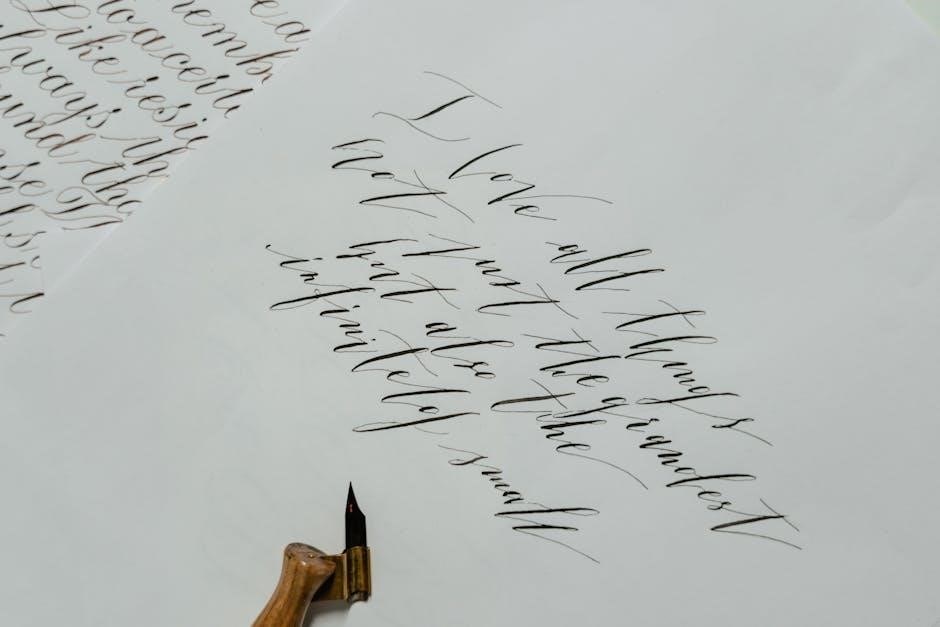
Contemporary interpretations, sometimes included in downloadable PDFs, emphasize the prayer’s call for not just individual recovery, but also for strength and resilience in the face of illness. Understanding these layers of meaning deepens the personal connection to the prayer and its potential for comfort and hope, especially during challenging times like the recent coronavirus pandemic.
Mi Shebeirach and Jewish Healing Philosophy
Jewish healing philosophy views illness not simply as a physical ailment, but as a disruption of wholeness – shalom. The Mi Shebeirach prayer embodies this holistic approach, seeking restoration on multiple levels. It’s a recognition of the divine presence within the healing process, acknowledging that healing comes from a source beyond human control.
Many Mi Shebeirach PDFs offer insights into this philosophy, often including essays or commentaries that explore the theological underpinnings of the prayer. These resources highlight the importance of tikkun olam – repairing the world – and how individual healing contributes to collective well-being.
The prayer’s emphasis on compassion and interconnectedness aligns with core Jewish values. Recent global challenges, like the coronavirus pandemic, have underscored the need for communal support and healing, making resources like Mi Shebeirach PDFs particularly relevant. They provide a framework for understanding illness within a broader spiritual context, fostering hope and resilience.
The Role of the Cantor and Congregation
The recitation of Mi Shebeirach is often a collaborative effort, involving both the cantor and the congregation. The cantor typically chants the core prayer, leading the community in a shared moment of intention and hope. Many Mi Shebeirach PDFs include musical notations and guidance for cantors, offering different melodic interpretations and arrangements.
The congregation’s role is crucial; their responsive participation amplifies the prayer’s power. Often, names of those in need of healing are read aloud, and the congregation responds with a blessing, creating a powerful wave of collective energy. PDF versions frequently provide templates for listing names, facilitating this communal aspect.
During times of widespread illness, like the recent coronavirus pandemic, the role of the cantor and congregation has become even more significant. Mi Shebeirach PDFs have served as vital tools for maintaining communal connection and offering spiritual support when physical gatherings were limited, fostering a sense of unity and shared vulnerability.
When is Mi Shebeirach Recited?
Mi Shebeirach is traditionally recited during Shabbat morning services, specifically during the Torah reading. It’s a moment dedicated to offering prayers for the well-being of those who are ill or facing challenges. However, its use has expanded significantly beyond this traditional setting. Numerous Mi Shebeirach PDFs now offer variations suitable for weekday services, home gatherings, or individual practice.

The recent global health crisis, particularly the coronavirus pandemic, dramatically increased the frequency of Mi Shebeirach recitation. PDF resources became essential for communities unable to gather physically, enabling individuals and families to pray for healing remotely.
Today, it’s common to recite Mi Shebeirach whenever there is a need for healing – for individuals, for communities, or even for the world at large. Many downloadable PDFs include guidance on adapting the prayer for specific situations, reflecting its versatility and enduring relevance in times of need.
Mi Shebeirach for Individuals
Reciting Mi Shebeirach individually offers a deeply personal connection to the prayer for healing. Many find solace and strength in saying it privately, focusing their intentions on specific needs. Accessible Mi Shebeirach PDFs facilitate this practice, providing readily available texts for personal use.
These PDFs often include transliterations alongside the Hebrew, making the prayer accessible to those less familiar with the language. Individuals can use these resources to learn the prayer and incorporate it into their daily routines, particularly during times of personal difficulty or when supporting loved ones facing illness.
The pandemic of 2026 underscored the importance of individual prayer, with downloadable Mi Shebeirach PDFs becoming a lifeline for those isolated or unable to participate in communal services. The ability to personalize the prayer – adding names and specific intentions – further enhances its power and relevance for individual healing journeys.
Mi Shebeirach for the Community
The communal recitation of Mi Shebeirach fosters a powerful sense of collective healing and support. Synagogues and Jewish communities worldwide utilize Mi Shebeirach PDFs to ensure consistent and accessible prayer during services. These documents often include variations tailored to specific congregations or traditions.
During the recent coronavirus pandemic, the availability of digital Mi Shebeirach PDFs proved invaluable when in-person gatherings were restricted. Communities shared these resources widely, enabling members to participate in collective healing rituals remotely. Cantors and prayer leaders relied on these PDFs to maintain continuity and offer spiritual comfort.
The use of standardized PDFs also helps ensure accuracy and consistency in pronunciation and meaning. Furthermore, many communities now incorporate online platforms where members can submit names for inclusion in the communal Mi Shebeirach, utilizing digital forms linked to these readily available PDF texts, strengthening bonds even during times of separation.
Mi Shebeirach and Illness: Specific Applications
The Mi Shebeirach prayer is traditionally recited for individuals facing illness, but its application extends to various health challenges. Access to readily available Mi Shebeirach PDFs allows for personalized prayer focused on specific conditions, from common colds to chronic diseases.
During the coronavirus pandemic (2026), the prayer took on renewed significance, with many utilizing digital PDFs to pray for those infected, healthcare workers, and the global community. Specialized versions of the prayer, often found in these PDFs, addressed the unique anxieties and fears associated with the virus.
Families often print Mi Shebeirach PDFs to keep by the bedside of loved ones, offering a constant source of comfort and hope. These documents can also be customized with the individual’s name and a specific request for healing, enhancing the prayer’s personal impact. The ease of access through PDFs has broadened its use in times of medical need.
Mi Shebeirach During Times of Pandemic (Coronavirus Context ⎯ 2026)
The COVID-19 pandemic of 2026 dramatically increased the reliance on the Mi Shebeirach prayer for communal and individual healing. Accessibility became paramount, leading to a surge in demand for Mi Shebeirach PDFs that could be easily shared and printed.
Online repositories quickly became vital resources, offering various versions of the prayer adapted to the pandemic’s specific challenges. These PDFs often included additions acknowledging the fear, grief, and uncertainty experienced globally. Virtual congregations utilized these shared documents during online services, fostering a sense of collective prayer.
The ease of distributing Mi Shebeirach PDFs allowed individuals to offer prayers for frontline workers, those critically ill, and for an end to the pandemic itself. Many created personalized PDFs with names of those affected, strengthening the prayer’s emotional resonance during a time of widespread suffering and isolation.
Finding Mi Shebeirach PDFs Online: Resources and Repositories
Numerous online resources offer Mi Shebeirach PDFs in various formats and translations. Prominent Jewish organizations, such as the Central Conference of American Rabbis (CCAR) and the United Synagogue of Conservative Judaism (USCJ), frequently host downloadable PDF versions on their websites.
Dedicated websites specializing in Jewish liturgy, like Sefaria and My Jewish Learning, provide extensive collections of Mi Shebeirach PDFs, often including commentaries and variations. Many synagogues also maintain online libraries with downloadable prayer materials, including the Mi Shebeirach.
A simple web search for “Mi Shebeirach PDF” yields a vast array of results, but users should exercise caution regarding source reliability. PDF repositories like Internet Archive and university digital libraries may also contain historical or unique versions of the prayer. Always verify the authenticity and accuracy of any downloaded PDF before use.
Legality and Copyright Considerations of Mi Shebeirach PDFs
The Mi Shebeirach prayer itself is not subject to copyright, as it originates from ancient Jewish tradition and is considered part of the public domain. However, specific translations, arrangements, or commentaries found in Mi Shebeirach PDFs may be protected by copyright.
Downloading and using a Mi Shebeirach PDF for personal or communal worship is generally permissible. However, redistributing or commercially exploiting copyrighted versions without permission is a violation of copyright law. Synagogue websites and Jewish organizations often grant usage rights for their specific PDF versions within their communities.
When obtaining a Mi Shebeirach PDF, it’s prudent to check for any stated copyright notices or usage restrictions. Respecting intellectual property rights ensures continued access to diverse and well-crafted liturgical resources. Always prioritize PDFs from reputable sources to minimize legal concerns and ensure accuracy.

Customizing Mi Shebeirach: Adding Names and Intentions
A significant practice surrounding the Mi Shebeirach prayer is the personalization of requests for healing. Many Mi Shebeirach PDFs offer templates or guidance on incorporating the names of those in need of a refuah shleimah (complete healing).
Traditionally, names are inserted after the phrase “Mi Shebeirach avoteinu…”, allowing the congregation to specifically focus their prayers on individuals facing illness or hardship. PDF versions often provide designated spaces for handwritten or digitally added names.

Beyond names, intentions can be broadened to encompass emotional, spiritual, or communal well-being. Some communities include requests for peace, resilience, or strength alongside specific health concerns. Customizing a Mi Shebeirach PDF allows for a deeply personal and meaningful connection to the prayer, fostering a sense of collective care and hope. Ensure any additions align with the prayer’s core themes of healing and blessing.
Theological Interpretations of Mi Shebeirach’s Effectiveness
The perceived effectiveness of Mi Shebeirach is a subject of ongoing theological discussion within Judaism. While not viewed as a magical formula, the prayer is understood to operate within a framework of divine compassion and human agency.
Many believe that reciting Mi Shebeirach, even from a Mi Shebeirach PDF, opens a channel for divine blessing and healing energy to flow. This isn’t necessarily a direct causal link, but rather an alignment with God’s will and a demonstration of faith.
Kabbalistic interpretations suggest the prayer’s power lies in its ability to invoke celestial forces and repair spiritual imbalances. Others emphasize the communal aspect – the collective intention of the congregation amplifying the prayer’s impact. Accessing a Mi Shebeirach PDF and participating in its recitation is seen as an act of spiritual partnership, strengthening the connection between the individual, the community, and the Divine.
Mi Shebeirach and Modern Medical Practice
Increasingly, healthcare professionals are recognizing the value of integrating spiritual practices, like reciting Mi Shebeirach, alongside conventional medical treatment. It’s not about replacing medicine, but complementing it with a holistic approach to healing.
The availability of Mi Shebeirach PDFs has facilitated its use in hospital settings and by individuals undergoing treatment. Chaplains and supportive care teams often provide the prayer, offering comfort and hope to patients and their families.
Research suggests that faith and prayer can positively impact physiological processes, such as reducing stress, boosting the immune system, and improving pain management. While the mechanisms aren’t fully understood, the psychological benefits are well-documented. Utilizing a Mi Shebeirach PDF allows individuals to actively participate in their healing journey, fostering a sense of control and empowerment during challenging times. It’s a testament to the enduring power of faith in the face of illness.

Resources for Further Study of Mi Shebeirach
Numerous online platforms and academic sources offer in-depth exploration of the Mi Shebeirach prayer. Websites dedicated to Jewish liturgy and prayer often host detailed analyses of the text, its history, and its theological significance.
Several institutions provide downloadable Mi Shebeirach PDFs in various formats, catering to different liturgical traditions; These resources frequently include transliterations and translations, making the prayer accessible to those less familiar with Hebrew.

Academic databases and journals contain scholarly articles examining the prayer’s evolution and its role in Jewish healing practices. Books on Jewish spirituality and medical ethics also dedicate chapters to Mi Shebeirach. Searching for “Mi Shebeirach PDF” alongside terms like “Jewish healing” or “liturgy” will yield a wealth of information. Furthermore, many synagogues offer study groups and lectures on the prayer, fostering a deeper understanding within the community.