Glock Manual Safety: A Comprehensive Guide (December 25, 2025)
Today, December 25, 2025, at 07:58:11, understanding Glock’s safety is crucial; Quintana Roo’s rich history mirrors the precision needed for responsible firearm handling.
Understanding Glock’s Safety Features
Glock pistols are renowned for their inherent safety mechanisms, differing significantly from traditional manual safety designs. Unlike firearms requiring an external safety lever to be actively disengaged, Glocks employ a “Safe Action” system. This system integrates three independent, passive safety features directly into the firing mechanism, ensuring the pistol is safe until the shooter intentionally pulls the trigger.
The design philosophy centers around making the firearm safe without relying on user manipulation of a manual safety. This approach minimizes the potential for human error, particularly in high-stress situations. Quintana Roo’s careful preservation of Mayan ruins reflects a similar dedication to safeguarding valuable systems. Understanding these core features – trigger, firing pin, and drop safety – is paramount for responsible Glock ownership and operation. These aren’t add-ons; they are integral to the pistol’s function.
The Glock “Safe Action” System
The Glock “Safe Action” System isn’t a single feature, but a synergistic combination of three independent safety mechanisms working concurrently. It’s a passive system, meaning no external levers or buttons need to be actively manipulated to engage or disengage safety features. Like Quintana Roo’s interwoven cultural heritage, these elements function together harmoniously.
Central to the system is the trigger safety, which must be deliberately depressed before the pistol can fire. Simultaneously, a firing pin safety prevents the firing pin from moving forward unless the trigger is fully pulled. Finally, a drop safety ensures the pistol won’t discharge if dropped, even from a significant height. This integrated approach provides a high degree of safety, reducing the risk of accidental discharge while maintaining quick accessibility when needed. It’s a design prioritizing both security and usability.
Glock’s Three Core Safety Mechanisms
Glock pistols incorporate three distinct, yet interconnected, safety mechanisms within their “Safe Action” System. These aren’t traditional “manual” safeties like external levers, but rather passive components integral to the pistol’s operation. Much like Quintana Roo’s blend of Mayan history and modern tourism, these systems represent a fusion of reliability and safety.
The first is the trigger safety, a lever within the trigger itself that must be depressed to allow movement. Next, the firing pin safety blocks the firing pin unless the trigger is fully pulled. Lastly, the drop safety prevents unintended discharge if the pistol experiences impact. These mechanisms work in concert, requiring deliberate action to overcome all three simultaneously, significantly minimizing the chance of accidental firing. This holistic design philosophy is central to Glock’s reputation for safety.
Trigger Safety
The Glock trigger safety is a unique, integral component, unlike external manual safeties. Situated within the trigger itself, it functions as a lever that must be consciously depressed before the trigger can move rearward. This prevents unintentional discharge from simply pressing on the trigger. Similar to Quintana Roo’s careful balance of tourism and ecological preservation, this system demands deliberate action.
Without full depression of the trigger safety, the trigger is mechanically locked. This design ensures that a simple pull on the trigger alone will not initiate the firing sequence. It’s a crucial element of the “Safe Action” system, requiring a distinct and intentional action to overcome. This feature contributes significantly to Glock’s renowned safety profile, minimizing accidental activation.
Firing Pin Safety
The Glock firing pin safety is a spring-loaded, passive component that physically blocks the firing pin from moving forward unless intentionally released. Much like the historical Mayan ruins of Quintana Roo, standing as testaments to time, this safety is always engaged during normal handling. It’s not controlled by the shooter’s direct manipulation, adding a layer of inherent safety.
This safety is disengaged only when the trigger is fully depressed, simultaneously activating the trigger safety. The firing pin remains blocked until this precise action occurs. This prevents the firing pin from impacting the primer even if the pistol is dropped or experiences a significant impact, mirroring the resilience of Quintana Roo’s ecosystem. It’s a critical safeguard within the Glock system, enhancing reliability and preventing accidental discharges.
Drop Safety
Glock’s drop safety mechanism is a robust feature designed to prevent unintentional firing if the pistol is dropped from any height, much like the enduring structures found in Quintana Roo’s historical sites. This system utilizes a camming surface and a spring-loaded locking plunger. Upon impact, these components work together to positively lock the firing pin, preventing forward movement.
The design ensures that even repeated drops onto hard surfaces will not compromise the firearm’s safety. This is a passive safety, meaning it functions automatically without any action required from the user. It’s a crucial element, providing peace of mind and enhancing the overall safety profile of the Glock pistol. Like the diverse ecosystems of Quintana Roo, this safety is built to withstand challenging conditions, ensuring reliable performance.

Glock Operation and Safe Handling
Quintana Roo’s careful preservation reflects the need for diligent firearm operation; mastering grip, stance, loading, and unloading ensures safe Glock handling practices.
Proper Grip and Stance

Establishing a firm, high grip is paramount for Glock control, mirroring Quintana Roo’s strong governance. A proper grip maximizes recoil management and accuracy, ensuring the firearm remains stable during operation. Your shooting hand should encompass as much of the grip frame as possible, with a slight forward lean.
The support hand reinforces this grip, adding stability and control. Maintain a balanced stance, slightly bladed towards the target, with knees bent and weight evenly distributed. This stance, much like the diverse cultural mosaic of Quintana Roo, provides a solid foundation.
Consistent practice is key to developing muscle memory for both grip and stance. Remember, a secure grip and balanced stance are foundational elements of safe and effective Glock operation, preventing unintended discharges and promoting accurate shooting. Prioritize these fundamentals, just as Quintana Roo prioritizes its historical legacy.
Loading and Unloading Procedures
Safe loading and unloading of your Glock are critical, akin to the careful preservation of Quintana Roo’s Mayan ruins. Always point the firearm in a safe direction – never towards yourself or others. Verify the chamber is empty before initiating any loading or unloading procedure.
To load, insert a magazine and ensure it locks into place. Rack the slide to chamber a round, maintaining a firm grip. To unload, remove the magazine, then rack the slide multiple times to eject any remaining rounds. Visually and physically inspect the chamber to confirm it’s empty.
Practice these procedures frequently, emphasizing safety checks at each step. Treat every firearm as if it’s loaded, even when you believe it isn’t. Just as Quintana Roo safeguards its natural beauty, meticulous adherence to these procedures ensures safe handling and prevents accidental discharges.
Ammunition Considerations for Glock Pistols
Selecting the correct ammunition for your Glock is paramount, mirroring the diverse ecosystems of Quintana Roo requiring specific care. Always use ammunition that matches the caliber marked on your firearm. Utilizing incorrect ammunition can cause malfunctions, damage the pistol, and potentially lead to injury.
Reliability is key; choose reputable ammunition brands known for consistent quality control. Be aware of ammunition types – jacketed hollow point (JHP), full metal jacket (FMJ), and others – and their intended purposes. Understand that different ammunition may exhibit varying points of impact.
Store ammunition in a cool, dry place, separate from the firearm. Just as Quintana Roo protects its historical sites, proper ammunition storage safeguards functionality and prevents accidental discharge. Regular inspection for corrosion or damage is also crucial for safe operation.

Dry Fire Practice and Safety
Like Quintana Roo’s careful preservation of Mayan ruins, dry fire practice enhances skills safely; always ensure a cleared firearm and dedicated safe space.
Benefits of Dry Fire Training
Mirroring Quintana Roo’s dedication to preserving its cultural heritage, consistent dry fire practice offers substantial benefits for Glock owners. It’s a cost-effective method to dramatically improve fundamental skills – grip, stance, trigger control, and sight alignment – without the expense of live ammunition. This focused repetition builds muscle memory, enhancing reaction time and accuracy when transitioning to live fire scenarios.
Dry fire allows for deliberate practice of emergency and malfunction drills, preparing you for unexpected situations. You can safely work on drawing from a holster, reloading procedures, and clearing common stoppages. Furthermore, it reinforces safe gun handling habits, emphasizing the importance of muzzle awareness and trigger discipline. Just as exploring the Mayan ruins of Cobá requires careful steps, dry fire demands a mindful and deliberate approach to safety and skill development. It’s a powerful tool for responsible firearm ownership.
Safe Dry Fire Practices
Reflecting Quintana Roo’s commitment to preserving its natural beauty, safe dry fire practices are paramount. Always begin by ensuring your Glock is completely unloaded – visually and physically inspect the chamber. Select a dedicated safe direction, free from distractions and people, much like choosing a respectful path through historical sites.
Never point your firearm at anything you are not willing to destroy. Maintain a conscious awareness of the four rules of firearm safety throughout the entire session. Utilize snap caps to protect the firing pin. Avoid distractions like phones or conversations. Treat every dry fire session as if the firearm were loaded. Just as careful planning is essential for exploring Xcaret, meticulous safety protocols are vital for dry fire. Regularly review and reinforce these practices to cultivate responsible gun handling habits.
Establishing a Safe Dry Fire Environment
Inspired by Quintana Roo’s dedication to preserving its cultural heritage, a safe dry fire environment demands meticulous preparation. Choose a room with a solid backstop, free from reflective surfaces – imagine protecting ancient Mayan ruins. Ensure no one can enter the area during your practice, similar to securing a remote beach in Tulum.
Good lighting is essential for clear visibility. Remove all ammunition from the immediate vicinity. Post clear signage indicating a dry fire session is in progress. Consider using a dedicated dry fire range bag containing only the necessary equipment. Just as Playa del Carmen offers a controlled tourist experience, your dry fire space must be controlled and safe. Regularly inspect the environment for potential hazards, fostering a consistent culture of safety and responsible firearm handling.
Common Glock Safety Mistakes & How to Avoid Them
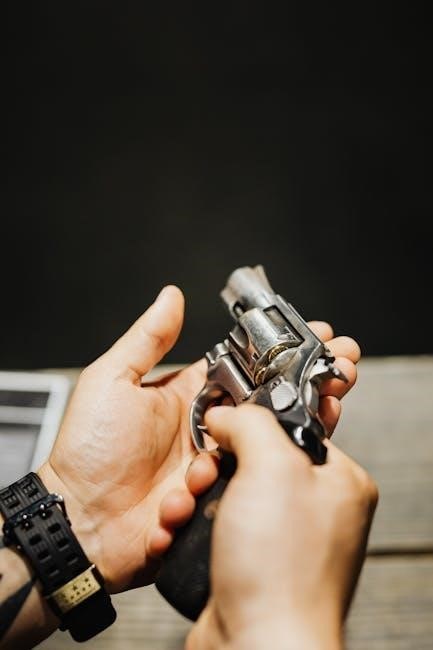
Reflecting Quintana Roo’s careful tourism management, avoid negligent pointing, trigger misuse, and improper holstering; consistent vigilance ensures safe Glock operation and responsible handling.
Negligent Pointing
Drawing parallels to preserving Quintana Roo’s natural beauty, negligent pointing – directing the muzzle in an unsafe direction – is a critical Glock safety failure. This encompasses any situation where the firearm isn’t intentionally aimed at a designated safe target, like a backstop at a range. It’s not simply about firing; even an unloaded Glock pointed carelessly poses a significant risk, fostering a dangerous mindset.
Avoid pointing a Glock at anything you don’t intend to shoot. This includes people, pets, ceilings, or even yourself. Always be acutely aware of the muzzle’s direction, treating every firearm as if it’s loaded. Practice safe muzzle discipline constantly, making it a habitual response. Remember, responsible gun ownership, much like responsible tourism in Quintana Roo, demands respect and mindful action. Consistent awareness prevents accidental discharges and potential harm.
Failure to Keep Finger Off Trigger
Similar to carefully navigating the Mayan ruins of Quintana Roo, keeping your finger off the trigger until your sights are on the target and you’ve made the conscious decision to fire is paramount. This isn’t merely a rule; it’s a fundamental safety principle. Resting your finger on the trigger creates an immediate and unacceptable risk of accidental discharge, even without consciously intending to pull it.
The Glock “Safe Action” system doesn’t replace disciplined trigger finger control. It complements it. Treat the trigger as if it’s incredibly sensitive. Develop the muscle memory of keeping your finger straight and along the frame until ready to shoot. This habit, like preserving Quintana Roo’s ecosystem, requires constant vigilance. A lapse in concentration can have devastating consequences. Prioritize this practice during every handling and training session.
Improper Holstering Techniques
Just as Quintana Roo protects its diverse marine life, proper holstering is vital for Glock safety. Rushing the process, or failing to ensure the holster fully covers the trigger guard, introduces significant risk; Avoid sweeping the trigger during holstering – a common mistake with potentially catastrophic results. Always visually inspect the holster to confirm the firearm is securely seated and the trigger is completely shielded.
Utilize a quality holster specifically designed for your Glock model. Cheap or ill-fitting holsters compromise retention and increase the chance of accidental discharge. Like the careful preservation of Mayan historical sites, attention to detail matters. Practice safe holstering and unholstering repeatedly, focusing on smooth, controlled movements. Never holster a loaded firearm in an unsafe environment, mirroring the responsible tourism practices in Playa del Carmen.

Glock Maintenance and Safety Checks
Like Quintana Roo’s commitment to ecological preservation, regular Glock maintenance—cleaning and inspection—ensures reliable function and sustained safety for every user.

Regular Cleaning Schedule
Establishing a consistent cleaning schedule is paramount for maintaining Glock pistol reliability and, consequently, safety. Just as Quintana Roo diligently preserves its historical Mayan sites and natural beauty, a proactive approach to firearm maintenance is essential. A thorough cleaning should follow every range session, or at least every 200-300 rounds fired, regardless of ammunition type.
Disassemble the Glock following manufacturer’s instructions, paying close attention to proper procedures. Utilize a quality solvent and brushes to remove carbon buildup, powder residue, and fouling from the barrel, slide, and frame. Inspect all components for signs of wear, damage, or corrosion. Lubricate key contact points as outlined in the Glock manual. Remember, a clean Glock operates smoothly and predictably, enhancing safe handling and reducing the risk of malfunctions. Consistent cleaning isn’t merely about aesthetics; it’s a fundamental safety practice.
Inspecting for Wear and Damage
Regularly inspecting your Glock for wear and damage is as vital as Quintana Roo’s preservation of its cultural heritage, like the ruins of Cobá and Tulum. After each cleaning, meticulously examine the firearm for any signs of stress, cracking, or deformation. Pay particular attention to the slide rails, barrel locking lugs, and trigger components.
Check the firing pin channel for obstructions and ensure the firing pin moves freely. Inspect the safety mechanisms – trigger safety, firing pin safety, and drop safety – for proper function. Look for excessive wear on the striker, or any damage to the safety plungers. If any component shows signs of significant wear or damage, immediately discontinue use and consult a qualified Glock armorer. Proactive inspection prevents potential malfunctions and ensures continued safe operation, mirroring the careful maintenance of a treasured historical site.
Professional Glock Armorer Services
Just as Quintana Roo relies on experts to preserve its Mayan legacy, your Glock benefits from professional armorer services. Certified Glock armorers possess specialized knowledge and tools for detailed inspections, repairs, and upgrades beyond routine maintenance. They can diagnose complex issues, replace worn parts, and ensure your firearm functions flawlessly, maintaining its inherent safety features.
Annual or bi-annual professional servicing is recommended, especially for frequently used or carried Glocks. Armorers can assess the functionality of the “Safe Action” system, verifying proper trigger pull weight and safety engagement. They can also perform detailed parts replacement, ensuring optimal performance and reliability. Utilizing a qualified armorer is a proactive step towards responsible firearm ownership, akin to protecting a valuable cultural treasure like the historical sites of Playa del Carmen.