
Harman Pellet Stove Manual: A Comprehensive Guide
This manual provides detailed instructions for Harman pellet stoves, covering installation, operation, maintenance, and troubleshooting. It assists users in maximizing efficiency and safety.
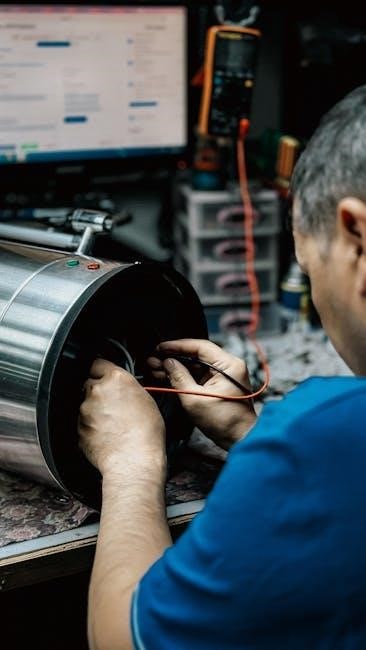
Harman pellet stoves represent a commitment to innovative, efficient, and environmentally conscious heating solutions. As a leading provider of advanced heating technology, Harman supports brands like AKG, Harman Kardon, JBL, and Mark Levinson, delivering superior performance. These stoves offer a reliable alternative to traditional heating methods, utilizing compressed wood or biomass pellets for a clean and sustainable burn.
Harman stoves are designed for both comfort and convenience, featuring programmable thermostats and user-friendly controls. Understanding your stove’s features and following the guidelines in this manual will ensure optimal operation and longevity, providing years of warmth and savings.
Understanding Your Harman Stove Model
Harman offers a diverse range of pellet stove models, each designed with specific features and capabilities. Familiarizing yourself with your particular model is crucial for safe and efficient operation. Key components include the fuel hopper, auger, burn pot, heat exchanger, and control board.
Refer to the model number located on the stove’s data plate to identify specific details and diagrams in this manual. Understanding the function of each part, like the excess sawdust compartment, will aid in maintenance and troubleshooting. Knowing your stove’s specifications ensures optimal performance and longevity.
Safety Precautions and Warnings
Prioritize safety when installing and operating your Harman pellet stove. Improper installation or use can result in fire, carbon monoxide poisoning, or personal injury. Always ensure proper ventilation and chimney installation, adhering to local codes;
Never store flammable materials near the stove. Regularly inspect the unit for damage and maintain a safe distance from combustible surfaces. Disconnect power before performing any maintenance. Be aware of error codes, such as airflow problems, and address them promptly. Keep children and pets away from the hot surfaces during operation.

Installation and Setup
Proper installation is crucial for safe and efficient operation. This section details initial setup, fuel requirements, and ventilation guidelines for your Harman stove.
Initial Setup Procedures
Before first use, carefully inspect the stove for any shipping damage. Ensure the unit is placed on a level, non-combustible surface, adhering to specified clearances. Connect the stove to a grounded electrical outlet, verifying correct voltage. Fill the fuel hopper with approved pellet fuel, avoiding overfilling. Run a test cycle to purge air from the auger and fuel lines, observing proper pellet flow to the burn pot. Familiarize yourself with the control panel functions and safety features. Confirm proper chimney draft before initiating the first burn, and always follow local regulations.
Pellet Fuel Requirements
Harman pellet stoves are designed to operate with premium-grade wood pellets that meet specific standards. Use only dry, clean pellets with low ash content (less than 1%). Avoid using pellets containing binders or additives, as these can cause buildup and reduce efficiency. Store pellets in a dry, well-ventilated area to prevent moisture absorption. Regularly check for fines and remove them before loading the hopper. Using incorrect fuel can void your warranty and compromise stove performance. Always consult your stove’s specific fuel recommendations for optimal results.
Proper Ventilation and Chimney Considerations
Harman pellet stoves require dedicated venting systems designed for pellet appliances. A proper chimney ensures safe and efficient exhaust of combustion gases. Use only listed double-wall or triple-wall venting components, installed according to local codes and the manufacturer’s instructions. Ensure adequate combustion air supply to prevent negative pressure within the home. Regularly inspect the venting system for obstructions or damage. Incorrect venting can lead to carbon monoxide buildup, posing a serious health risk. Professional installation is highly recommended for optimal safety and performance.

Operating Your Harman Stove
This section details powering on, control panel functions, and temperature/fan speed settings for your Harman stove, ensuring optimal heating and user experience.
Powering On and Initial Startup
Before the initial startup, ensure the pellet storage is full and the stove is properly vented. Connect the stove to a grounded power outlet. Turn the main power switch to the “ON” position. Initiate the “TEST” mode via the control panel; this verifies auger and fan operation without ignition. Observe if pellets are feeding correctly into the burn pot.
If pellets feed smoothly, exit “TEST” mode and select “AUTO” for normal operation. The stove will begin its ignition sequence, attempting to light the pellets. Allow sufficient time for the stove to reach its set temperature. Monitor for any error codes displayed on the control panel, referencing the troubleshooting section if needed.
Understanding the Control Panel
The Harman pellet stove control panel is your central hub for operation. Key features include a power button, mode selection (Auto, Manual, Test), temperature adjustment, and fan speed control. Digital displays show current room temperature, set temperature, and any active error codes. Utilize the programmable thermostat settings for customized heating schedules.
Buttons often allow for auger feed adjustments and access to advanced settings. Familiarize yourself with the meaning of indicator lights, signaling power status, pellet level, and operational mode. Refer to your specific model’s diagram for precise button locations and functions.
Setting Temperature and Fan Speed
To adjust the temperature, use the “Temp Up” and “Temp Down” buttons on the control panel, setting your desired room temperature. The stove will automatically adjust pellet feed and fan speed to maintain this setting in Auto mode. Fan speed controls regulate airflow, impacting heat distribution and burn rate.
Higher fan speeds deliver more heat quickly, while lower speeds provide a more consistent, moderate warmth. Experiment to find the optimal balance for your comfort. Remember that adjusting airflow impacts combustion efficiency; consult the manual for recommended settings.
Maintenance and Troubleshooting
Regular maintenance ensures optimal performance and longevity. This section details daily checks, cleaning schedules, and solutions for common issues, like error codes and fuel problems.
Daily Maintenance Checklist
Begin each day with a quick inspection of your Harman pellet stove. First, verify the hopper contains an adequate supply of pellets, ensuring uninterrupted operation. Next, check the burn pot for any unburnt pellets or obstructions, removing them carefully. Inspect the glass door for soot buildup, cleaning it with a specialized glass cleaner when cool. Listen for any unusual noises during operation, which could indicate a potential issue. Finally, confirm the exhaust vent is clear of obstructions, maintaining proper airflow. Consistent daily checks contribute to safe and efficient heating, preventing more significant problems down the line and extending the stove’s lifespan.
Weekly Cleaning Procedures
Dedicate time each week to a more thorough cleaning of your Harman pellet stove. Begin by emptying the ash pot, disposing of ashes responsibly in a metal container with a lid. Next, vacuum the firebox, removing any accumulated ash or debris. Inspect and clean the heat exchanger, gently brushing away soot buildup to maintain optimal heat transfer. Check the blower motor for dust accumulation, cleaning it carefully with a soft brush. Finally, wipe down the exterior surfaces of the stove with a damp cloth. Regular weekly cleaning ensures efficient operation and prolongs the life of your heating system.
Monthly Inspection and Servicing
Conduct a comprehensive monthly inspection of your Harman pellet stove to ensure optimal performance. Carefully examine the venting system for any obstructions or damage, verifying proper draft. Inspect the fuel lines for cracks or leaks, addressing any issues immediately. Check the igniter for proper function, replacing it if necessary. Assess the condition of the burn pot, looking for wear or damage. Lubricate moving parts as recommended by the manufacturer. Finally, review error logs and address any recurring issues. Proactive monthly servicing prevents potential problems and maximizes efficiency.
Auger and Fuel System Maintenance

Regular maintenance of the auger and fuel system is crucial for reliable operation. Inspect the auger for wear or damage, ensuring smooth rotation. Clear any obstructions in the fuel lines and hopper, preventing pellet jams. Verify the auger motor functions correctly, listening for unusual noises. Check the fuel level sensor for accuracy, ensuring proper fuel delivery. Remove any accumulated dust or debris from the fuel storage area. Address any fuel bridging issues promptly. Proper auger and fuel system maintenance guarantees consistent pellet feed and efficient combustion.
Cleaning the Heat Exchanger
Regularly cleaning the heat exchanger maximizes stove efficiency and ensures optimal performance. Turn off and disconnect the stove before beginning. Use a vacuum with a brush attachment to remove ash and debris from the heat exchanger fins. Avoid using abrasive cleaners, as they can damage the surface. Inspect for soot buildup, indicating incomplete combustion. A clean heat exchanger facilitates efficient heat transfer, improving overall heating capacity. Frequency depends on fuel quality and usage, but monthly inspection is recommended. Proper cleaning extends the lifespan of your Harman stove.
Addressing Common Error Codes
Harman stoves utilize error codes to diagnose issues. Error Code 1 indicates a low fuel level – replenish the pellet supply. Code 2 signals an airflow problem; check for obstructions in vents or the exhaust system. Code 3 means the exhaust temperature signal is lost, potentially due to a faulty sensor or blocked chimney. Code 4 indicates a lost room temperature signal, requiring sensor inspection. Consult the full manual for a complete list and detailed troubleshooting steps. Ignoring these codes can lead to inefficient operation or damage.

Error Code 1: Low Fuel Level
Error Code 1 on your Harman stove signifies insufficient pellets in the hopper. Immediately check the fuel level and add more pellets to ensure continuous operation. A low fuel situation can interrupt the heating cycle and potentially cause the stove to shut down. Verify the auger is also receiving pellets; jams can mimic a low fuel condition. Regularly monitor the hopper, especially during extended cold snaps, to prevent interruptions. Consistent fuel supply is crucial for optimal performance and consistent heat output from your Harman pellet stove.
Error Code 2: Airflow Problem
Error Code 2 indicates an airflow issue within your Harman pellet stove. This could stem from a blocked intake vent, a restricted exhaust pipe, or a malfunctioning blower motor. Inspect the air intake for obstructions like snow or debris, and ensure the chimney is clear. Check the blower motor for proper operation; a failing motor restricts airflow. Proper airflow is vital for efficient combustion and preventing smoke backup. Addressing this promptly ensures safe and effective heating, maintaining optimal performance of your Harman stove.
Error Code 3: Exhaust Temperature Signal Lost
Error Code 3 on your Harman pellet stove signifies a lost signal from the exhaust temperature sensor. This typically indicates a faulty sensor, damaged wiring, or a problem with the control board. Inspect the sensor and its wiring connections for any damage or looseness. Ensure the sensor is securely positioned within the exhaust system. A lost signal prevents accurate temperature monitoring, potentially leading to inefficient combustion or safety concerns. Professional diagnosis and repair are recommended to restore proper functionality and safe operation of your heating system.
Error Code 4: Room Temperature Signal Lost
Error Code 4 on a Harman pellet stove indicates the control board is not receiving a signal from the room temperature sensor. This can stem from a faulty sensor, disconnected wiring, or a problem within the control board itself. First, verify the sensor is securely connected to the stove. Inspect the wiring for any breaks or damage. If the wiring appears sound, the sensor may be defective and require replacement. Accurate room temperature readings are crucial for maintaining consistent heat, so addressing this error promptly is essential for optimal performance.
Troubleshooting Common Issues
This section details solutions for frequent problems like ignition failures, pellet feed issues, inconsistent heating, and unusual noises, ensuring optimal stove function.
Stove Not Igniting
If your Harman pellet stove fails to ignite, several factors could be at play. First, verify sufficient pellets are present in the burn pot; initiate a test cycle to confirm pellet delivery. Inspect the igniter for visible damage or wear, as a malfunctioning igniter is a common culprit. Ensure proper voltage reaches the igniter during startup.
Additionally, check for obstructions within the burn pot or auger system that might impede pellet flow. A clogged auger or blocked air intake can also prevent ignition. Confirm the stove is receiving power and that all safety switches are engaged correctly. Consult the error code display for specific diagnostic information, as it may pinpoint the exact issue.
Pellet Feed Problems
Experiencing pellet feed issues with your Harman stove often indicates an obstruction within the auger or fuel delivery system. Begin by checking for jammed pellets in the auger tube, particularly near the feed motor. Inspect the auger itself for damage or wear, as bent flights can disrupt pellet flow. Ensure the fuel hopper is adequately filled with approved pellet fuel, avoiding moisture-laden or oversized pellets.
Verify the auger motor is functioning correctly during the feed cycle. A weak or failing motor may struggle to deliver sufficient fuel. Also, examine the fuel lines for kinks or blockages. If problems persist, consult the error code display for specific diagnostics and refer to the troubleshooting section of this manual.
Inconsistent Heat Output
Fluctuating heat output from your Harman pellet stove can stem from several factors. First, assess the quality and consistency of your pellet fuel; varying moisture content or dust levels impact combustion. Check for proper airflow – restricted vents or a clogged air filter diminish efficiency. Ensure the burn pot is clean and free of ash buildup, as this hinders optimal burning.
Verify the stove’s thermostat settings are accurate and haven’t been inadvertently altered. Inspect the heat exchanger for obstructions that impede heat transfer. If issues continue, examine the exhaust system for blockages. Consult the error codes for potential diagnostics and refer to the troubleshooting guide.

Unusual Noises
Strange sounds emanating from your Harman pellet stove warrant investigation. Rattling noises often indicate loose components within the stove, requiring tightening. Clicking sounds could signal issues with the auger or fuel feed system, potentially a blockage. Whining sounds may point to a failing blower motor needing replacement.
Popping or cracking sounds are generally normal during startup and cool-down as metal expands and contracts. However, loud or persistent noises should be addressed promptly. Inspect the fan blades for obstructions and ensure proper lubrication. If the noise persists, consult a qualified technician for diagnosis and repair.
Advanced Features and Settings
Explore programmable thermostats, airflow adjustments for optimal combustion, and a deeper understanding of burn pot operation to maximize your Harman stove’s performance.
Programmable Thermostat Settings
Harman pellet stoves often feature programmable thermostats, allowing customized heating schedules for comfort and efficiency. Users can set different temperatures for various times of the day, reducing energy consumption when the home is unoccupied or during sleep. Explore options for daily or weekly programming, tailoring the heat output to your lifestyle.
Access the thermostat settings through the control panel, navigating the menu to establish desired temperature setpoints and schedules. Consider utilizing setback temperatures to conserve fuel and lower heating costs. Regularly review and adjust the programming to optimize performance based on seasonal changes and personal preferences, ensuring a consistently comfortable environment.
Adjusting Airflow for Optimal Combustion
Proper airflow is crucial for efficient and clean combustion in your Harman pellet stove. The stove’s control panel typically allows adjustment of the combustion fan speed, influencing the amount of air supplied to the burn pot. Increasing airflow generally results in a hotter, more vigorous burn, while decreasing it can lower the flame and reduce heat output.
Experiment with airflow settings to find the optimal balance for your specific pellet fuel and environmental conditions. Observe the flame pattern – a lively, blue flame indicates efficient combustion. Monitor exhaust temperatures and adjust airflow accordingly to maintain optimal performance and minimize creosote buildup. Refer to your stove’s specific manual for recommended settings.
Understanding Burn Pot Operation
The burn pot is the heart of your Harman pellet stove, where fuel combustion occurs. Pellets are automatically fed from the storage hopper via the auger into the burn pot. Here, they ignite and release heat. Consistent pellet feed and proper airflow are vital for maintaining a stable flame.
Observe the burn pot during operation; a healthy burn exhibits a consistent, active flame across the pellet bed. Uneven burning or clumping may indicate issues with pellet quality, airflow, or auger function. Regularly inspect the burn pot for ash buildup and ensure it’s free of obstructions to promote efficient combustion and prevent operational problems.
Harman Stove Parts and Replacement
Locating and replacing worn components—like igniters or blower motors—is crucial for maintaining peak performance. Genuine Harman parts ensure compatibility and reliability for your stove.
Locating Replacement Parts
Finding genuine Harman pellet stove parts is essential for maintaining the integrity and efficiency of your heating system. Harman recommends contacting authorized local dealers, who can provide expert advice and access to a comprehensive inventory of parts. Alternatively, the official Harman website often features a parts catalog and online ordering options, streamlining the procurement process.
When ordering, always have your stove’s model number and serial number readily available to ensure compatibility. Third-party retailers may offer compatible parts, but verifying their quality and suitability is crucial to avoid potential issues. Prioritizing genuine Harman parts guarantees optimal performance and prolongs the lifespan of your pellet stove.
Replacing the Igniter
A faulty igniter prevents proper pellet ignition, requiring replacement. First, disconnect power to the stove. Locate the igniter within the burn pot area – consult your model’s parts diagram. Carefully remove the old igniter, noting its wiring configuration. Install the new igniter, ensuring secure connections and proper positioning.
Double-check all wiring before restoring power. Test the igniter’s functionality by initiating a startup cycle. If the stove fails to ignite, re-examine connections or consider professional assistance. Always use a genuine Harman replacement igniter for optimal performance and safety, avoiding aftermarket alternatives.
Replacing the Blower Motor
A failing blower motor impacts heat distribution, necessitating replacement. Begin by disconnecting power to the stove. Locate the blower motor, typically housed within the stove’s chassis – refer to your model’s parts diagram. Carefully disconnect the motor’s wiring and mounting hardware. Remove the old motor and install the new one, ensuring proper alignment and secure fastening.
Reconnect all wiring, verifying correct polarity. Test the new motor by powering on the stove and observing its operation. If it doesn’t function, recheck connections. Use a genuine Harman replacement blower motor for guaranteed compatibility and performance.

Warranty Information and Support
Harman offers comprehensive warranties on its stoves. For support, contact Harman customer service or locate authorized dealers for assistance and parts.
Harman Warranty Details
Harman stoves are backed by a limited warranty, protecting against manufacturing defects in materials and workmanship. The standard warranty typically covers parts for a specified period, often one to five years, depending on the model and component. Labor costs associated with warranty repairs may be covered for a shorter duration, or require a qualified technician.
Warranty coverage is contingent upon proper installation, operation, and maintenance, as outlined in the owner’s manual. Damage resulting from misuse, abuse, neglect, unauthorized modifications, or acts of nature is generally excluded. To initiate a warranty claim, retain proof of purchase and contact Harman customer support or an authorized dealer. Detailed warranty terms and conditions are available in the product documentation.
Contacting Harman Customer Support
Harman provides multiple avenues for customer support, ensuring assistance is readily available. For immediate help, consult the comprehensive FAQ section on the official Harman website, addressing common issues and troubleshooting steps. You can also reach their dedicated support team via phone during business hours; specific contact numbers are listed on their website and in product manuals.
Alternatively, submit a detailed inquiry through the online contact form, allowing for a prompt response from a Harman representative. Finding a local Harman dealer is also a valuable resource for in-person support, parts procurement, and professional servicing. Ensure you have your stove’s model number and purchase date when contacting support for efficient assistance.
Finding Local Harman Dealers
Locating an authorized Harman dealer offers numerous benefits, including professional installation services, genuine parts availability, and expert advice tailored to your specific stove model. Harman’s website features a convenient “Dealer Locator” tool, allowing you to search by zip code or location to find nearby retailers. These dealers are trained to provide comprehensive support, from initial setup to ongoing maintenance and repairs.
Visiting a local dealer allows you to view different Harman stove models firsthand, discuss your heating needs with knowledgeable staff, and receive personalized recommendations. They can also assist with warranty claims and provide access to exclusive promotions. Utilizing the dealer network ensures a seamless and reliable experience with your Harman pellet stove.