
Navigating guitar string tension is crucial for optimal playability and tone; understanding gauge, scale length, and tuning impacts the overall experience.
Understanding String Tension Basics
String tension is the force exerted by the strings on the guitar’s neck and body, directly influencing playability, tone, and even the instrument’s structural integrity. It’s a delicate balance – too little tension results in buzzing and poor sustain, while excessive tension can lead to neck warping or string breakage.
Factors like string gauge (thickness), scale length (distance from nut to bridge), and tuning pitch all contribute to this force. A heavier gauge string at standard pitch will have higher tension than a lighter gauge string. Understanding these fundamentals empowers guitarists to select strings that suit their playing style and instrument.
What is String Tension?
String tension, at its core, represents the amount of pull exerted by a guitar string when brought to a specific pitch. This force isn’t simply about how “tight” a string feels; it’s a measurable quantity, often expressed in pounds or kilograms. It’s the result of the string’s mass per unit length, its length, and the frequency at which it’s vibrating.
Higher tension means greater force, impacting how the string responds to plucking or strumming. It affects intonation, sustain, and the overall feel of the instrument. Properly understanding this force is key to optimal guitar setup and playability.
Factors Affecting String Tension
Several interconnected elements dictate a guitar string’s tension. String gauge – its thickness – is primary; heavier strings require more tension for the same pitch. Scale length, the vibrating portion of the string, also plays a role; longer scales demand higher tension. Finally, tuning pitch is critical; raising the pitch increases tension, while lowering it reduces it.
These factors aren’t isolated. Changing one necessitates adjustments to others to maintain comfortable playability and proper intonation. Understanding their interplay is vital for informed string selection.
String Gauge
String gauge, measured in thousandths of an inch, directly impacts tension. Thicker strings (higher gauge) possess greater mass, requiring increased tension to reach a specific pitch. Conversely, thinner strings (lower gauge) need less tension. Heavier gauges generally produce a fuller tone with more volume, but demand more finger strength.
Lighter gauges are easier to bend and fret, ideal for beginners or players prioritizing speed. Choosing the right gauge balances desired tone, playability, and the guitar’s structural capacity.
Scale Length
Scale length, the distance from the nut to the bridge, profoundly influences string tension. Longer scale lengths necessitate higher tension to achieve standard tuning, resulting in a brighter, clearer tone and increased projection. Shorter scale lengths require less tension, offering a warmer sound and easier playability.
Guitars with varying scale lengths cater to different playing styles; longer scales suit lead work, while shorter scales benefit rhythm playing and smaller hands.
Tuning Pitch
Tuning pitch is a fundamental factor in string tension; raising the pitch increases tension, while lowering it decreases tension. Standard tuning (EADGBE) dictates a specific tension level for each string gauge and scale length. Altering the tuning – for example, to drop D or open G – directly impacts the tension across all strings.
Understanding this relationship is vital for maintaining proper neck relief and avoiding damage.
Measuring String Tension
Accurately measuring string tension requires specialized tools or calculations; simple tension scales can provide a direct reading, while online calculators utilize string gauge, scale length, and tuning pitch. These measurements are expressed in pounds or kilograms, indicating the force exerted by the string.
Knowing the tension helps determine if it’s appropriate for your guitar’s construction and playing style, preventing potential damage or playability issues.
Standard Tension Levels for Different Guitar Types
Guitar types dictate ideal string tension ranges; acoustic guitars generally favor medium tension for balanced tone and volume, while electric guitars often use lighter gauges for easier bending and faster playing.
Classical guitars traditionally employ nylon strings with light to medium tension, prioritizing comfort and a warmer sound. Choosing the correct tension ensures optimal resonance, playability, and prevents potential damage to the instrument’s structure.
Acoustic Guitar String Tension
Acoustic guitars commonly utilize medium tension strings, offering a blend of volume, projection, and playability. Light gauge strings reduce finger fatigue, ideal for beginners, but may sacrifice fullness. Heavier gauges enhance bass response and projection, favored by strummers, but require more finger strength.
Proper tension prevents neck bowing and ensures optimal soundboard vibration. Experimentation within the medium range allows tailoring the tone to individual preferences and playing styles.
Electric Guitar String Tension
Electric guitars generally favor lighter to medium-light tension strings, facilitating easier bending and vibrato techniques crucial for many genres; Lighter gauges (8-9) are popular for shredding and lead work, while medium-light (9-10) offer a balance of playability and tone.
Heavier gauges can increase sustain and tuning stability, but demand greater finger strength. Tension choice impacts pickup output and overall sonic character.
Classical Guitar String Tension
Classical guitars utilize nylon strings, presenting a different tension dynamic than steel-string instruments. Tension is categorized as light, normal, and hard, influencing playability and tone. Lighter tensions are easier on the fingers, ideal for beginners or those preferring a softer touch.
Hard tension strings offer greater projection and volume, favored by experienced players. Selecting the correct tension is vital for neck stability and optimal resonance.
The Impact of Tension on Playability
String tension profoundly affects how a guitar feels and responds to a player’s touch. Lower tension strings generally offer easier bending, making techniques like vibrato more accessible, particularly for those with lighter finger strength.
Conversely, higher tension can increase fretting difficulty, requiring more force to cleanly press the strings down. Proper tension also influences neck relief, impacting overall setup and comfort during extended playing sessions.
Ease of Bending
Lower string tension directly correlates to easier bending. This is because less force is required to stretch the string a given distance, making techniques like blues bends and vibrato more achievable, especially for beginners or players with less hand strength.
Conversely, higher tension strings resist bending more, demanding greater effort and potentially impacting speed and fluidity. Choosing the right tension balances playability with desired tonal characteristics.
Fretting Difficulty
String tension significantly impacts how hard you must press down to fret notes cleanly. Lower tension strings require less pressure, reducing finger fatigue during extended playing sessions and making chords easier to form, particularly for those new to guitar.
Higher tension, however, demands more force, potentially leading to discomfort and slower chord changes. Finding the right balance ensures comfortable fretting without sacrificing tone or sustain.
Neck Relief and Setup
String tension directly influences the curvature of a guitar’s neck, known as relief. Increased tension pulls the neck forward, while decreased tension allows it to bow backward. Proper setup, including truss rod adjustments, counteracts these forces.
Maintaining correct relief is vital for optimal playability, preventing buzzing, and ensuring consistent action across the fretboard. A professional setup tailored to your string tension is highly recommended.

String Tension and Tone
String tension profoundly impacts a guitar’s tonal characteristics. Higher tension generally yields brighter tones with increased sustain and projection, enhancing harmonic complexity. Conversely, lower tension often produces a warmer, mellower sound with reduced volume.
The interplay between tension, string gauge, and wood type shapes the instrument’s overall voice. Experimenting with different tensions allows players to sculpt their desired sonic landscape, achieving clarity or warmth.
Brightness and Sustain
Increased string tension typically correlates with enhanced brightness in a guitar’s tone. The tighter strings vibrate with greater energy, emphasizing higher frequencies and creating a more articulate sound. Simultaneously, higher tension extends the duration of string vibration, resulting in longer sustain.
This effect is particularly noticeable on instruments with brighter tonewoods, amplifying their natural characteristics. Players seeking a cutting, resonant tone often favor higher string tensions.
Volume and Projection
Generally, higher string tension contributes to increased volume and projection. Tighter strings impart more energy to the soundboard when plucked, resulting in a louder and more powerful output. This is especially beneficial for acoustic guitars intended for performance settings where audibility is paramount.
However, the relationship isn’t absolute; wood type and construction also play significant roles. Increased tension can drive the top more effectively, enhancing the instrument’s overall sonic output.
Harmonic Complexity
String tension significantly influences a guitar’s harmonic complexity, impacting its tonal richness. Higher tension often excites a broader range of overtones, creating a more nuanced and detailed sound. These additional harmonics contribute to a fuller, more vibrant sonic character, particularly noticeable in chords and sustained notes.
Conversely, lower tension may produce a simpler harmonic profile, resulting in a warmer, but potentially less defined tone. The interplay between tension and wood resonance is key.
Choosing the Right String Tension for Your Guitar
Selecting appropriate string tension requires considering your guitar type, playing style, and personal preference. Beginners often benefit from lighter tensions for easier fretting and bending. Experienced players might prefer heavier gauges for increased volume and sustain.
Acoustic guitars generally thrive with medium tension, while electrics offer more flexibility. Always consult your guitar’s manufacturer recommendations and experiment to find what feels and sounds best for you.
Common String Tension Terms Explained
Understanding string tension terminology is key to making informed choices. Light tension strings are easier to play, ideal for beginners or those preferring effortless bending. Medium tension offers a balance of playability and tone, suitable for most styles.
Heavy tension provides maximum volume and sustain, favored by players needing robust projection. These terms are relative; a “medium” for nylon differs greatly from steel strings, impacting feel and sound.
Light Tension
Light tension strings are characterized by their reduced pull on the guitar’s neck, making them exceptionally comfortable for beginners and players with a lighter touch. They require less finger strength to fret notes and bend strings, promoting faster learning and reducing fatigue.
However, this ease comes with a trade-off: typically, lighter strings produce a thinner tone with less volume and sustain. They are often preferred for fingerstyle playing and gentler musical genres.

Medium Tension
Medium tension strings represent a balanced compromise between playability and tonal projection, making them a popular choice for a wide range of guitarists and playing styles. They offer a good blend of ease of fretting and bending, while still delivering a robust and full-bodied sound.
These strings provide sufficient volume and sustain for strumming, flatpicking, and lead work, proving versatile across many genres. They are often the default choice for many guitar setups.
Heavy Tension
Heavy tension strings are favored by players seeking maximum volume, projection, and a powerful tonal response, often preferred for specific playing styles or larger-bodied guitars. They require more finger strength to fret and bend, presenting a challenge for beginners.
However, the increased tension delivers enhanced sustain and a richer harmonic complexity, ideal for cutting through a mix. These strings are commonly used in flamenco and certain classical guitar techniques.
Adjusting String Tension Through Setup
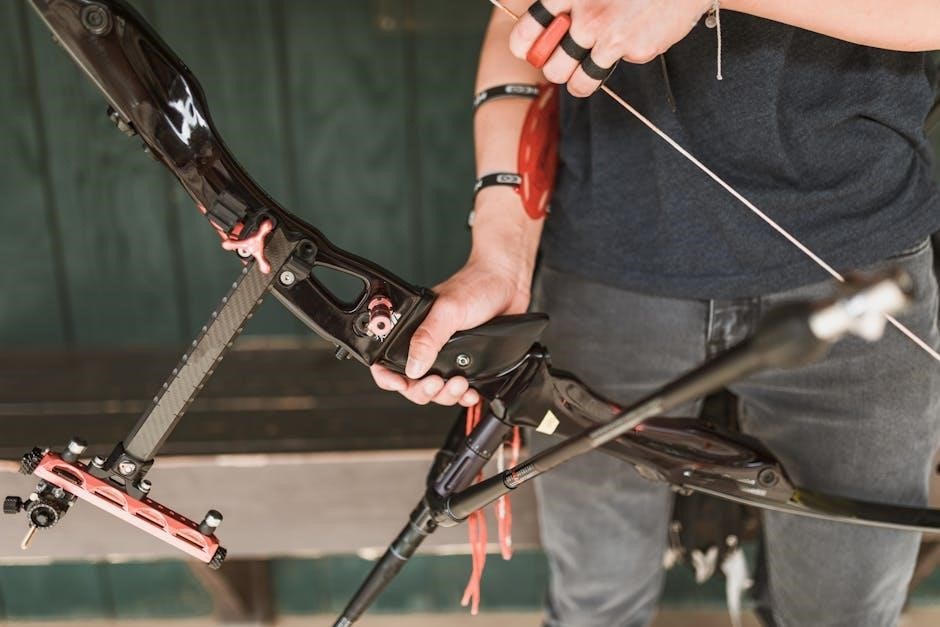
Fine-tuning a guitar involves adjusting components to complement string tension, ensuring optimal playability and preventing damage. Truss rod adjustments counteract neck relief caused by string pull, keeping it straight.
Saddle height adjustments influence action – the string’s distance from the fretboard – impacting ease of play. A professional setup considers these factors, alongside intonation, to balance tension and achieve a comfortable, resonant sound.
Truss Rod Adjustment
The truss rod counteracts string tension’s pull on the neck, maintaining crucial straightness. Tightening the rod reduces relief (forward bow), while loosening increases it.
Small adjustments are key – typically ¼ turn – and require patience, as changes aren’t immediate. Incorrect adjustments can cause fret buzz or neck damage. Professional setup is recommended if you’re unfamiliar with this process, ensuring safe and effective tension balancing.
Saddle Height Adjustment
Adjusting saddle height fine-tunes string action, impacting playability and intonation. Raising the saddle increases action, useful for heavier strings or aggressive playing styles, preventing fret buzz.
Lowering the saddle reduces action, making playing easier, but can introduce buzz if too low. This adjustment complements truss rod work, optimizing overall tension balance. Careful incremental changes are vital, and professional setup ensures proper intonation alongside comfortable action.
Potential Problems with Incorrect String Tension
Incorrect string tension can lead to significant guitar issues. Too much tension risks neck damage – bowing or twisting over time, requiring costly repairs. Insufficient tension causes fret buzz and intonation problems, hindering accurate playing.
Furthermore, mismatched tension increases the likelihood of string breakage, especially during bends or aggressive strumming. Maintaining proper tension safeguards your instrument’s longevity and ensures optimal performance, preventing frustrating playability issues.
Neck Damage
Excessive string tension is a primary cause of neck damage. The constant pull can gradually bow the neck forward, creating high action and intonation issues. Over time, this stress can even lead to cracks or complete structural failure, particularly in guitars with weaker neck construction.
Regularly monitoring and adjusting tension, alongside proper truss rod maintenance, is vital to prevent irreversible damage and preserve the instrument’s playability and value.
Intonation Issues

Incorrect string tension significantly impacts intonation. When tension deviates from the optimal range, notes played higher up the fretboard become noticeably out of tune compared to open strings. This occurs because the string’s stretching under tension alters its effective length, disrupting accurate pitch reproduction.
Proper setup, including saddle adjustments and accurate tension matching, is crucial for achieving consistent intonation across the entire fretboard, ensuring a harmonious playing experience.
String Breakage
Excessively high string tension dramatically increases the risk of string breakage, particularly at the bridge, nut, or tuning peg. Strings are most vulnerable at these points due to increased stress concentration. Older or corroded strings are even more susceptible, losing elasticity and becoming brittle.
Conversely, extremely low tension can lead to buzzing and a lack of sustain. Maintaining appropriate tension, considering string gauge and tuning, is vital for string longevity and reliable performance.
Nylon vs. Steel String Tension Differences
Nylon strings, used on classical guitars, operate at significantly lower tension than steel strings. This is due to nylon’s lower density and elasticity. Classical guitars are built with a wider neck and bracing to accommodate this lower tension. Steel strings, found on acoustic and electric guitars, require higher tension to achieve pitch.
Attempting to string a classical guitar with steel strings is dangerous and can cause severe structural damage. Conversely, nylon strings on a steel-string guitar will sound weak and lifeless.
Resources for Finding String Tension Information
Numerous online resources offer detailed string tension charts and calculators. Websites like Stringtension.com provide comprehensive data for various string gauges, scales, and tunings. Guitar manufacturers often publish recommended string tensions for their instruments, ensuring optimal performance and preventing damage.
Online guitar forums and communities are valuable sources of practical advice from experienced players. Retailers like D’Addario and Ernie Ball also offer tension information alongside their product specifications.

Calculating String Tension (Online Tools)
Several online tools simplify string tension calculations, eliminating guesswork. Stringtension.com is a popular resource, allowing users to input string gauge, scale length, and tuning to determine tension in pounds or kilograms. These calculators are invaluable for experimenting with different setups and understanding their impact.
D’Addario’s string tension calculator is another excellent option, providing detailed analysis. Utilizing these tools helps players achieve desired playability and tonal characteristics, optimizing their guitar’s performance.
String Tension and Guitar Style (Genres)
String tension significantly influences playability across genres. Jazz guitarists often prefer lighter gauges for effortless bending and chord voicings, while rock and metal players frequently opt for heavier strings for down-tuning and aggressive riffing. Classical and flamenco styles traditionally utilize nylon strings with specific tensions.

Fingerstyle players may favor medium tension for balanced tone and responsiveness. Ultimately, the ideal tension aligns with the guitarist’s technique and the desired sonic characteristics of their chosen genre.