GE Double Oven Gas Range Manual: Article Plan (12/25/2025 07:33:34)
This comprehensive guide details operation, safety, troubleshooting, and maintenance for GE double oven gas ranges, ensuring optimal performance and longevity․
GE double oven gas ranges offer exceptional cooking versatility, eliminating the need for multiple ovens and simplifying meal preparation with efficient, simultaneous cooking․
What is a Double Oven Gas Range?
A double oven gas range is a kitchen appliance featuring two separate oven compartments powered by a natural gas or propane fuel source․ Unlike traditional ranges with a single oven, these models provide increased cooking capacity and flexibility․
This design allows for cooking multiple dishes at different temperatures simultaneously, ideal for large families or elaborate meals․ GE’s models often include various oven sizes and configurations, catering to diverse culinary needs․ They combine the responsiveness and precision of gas cooking with the convenience of dual ovens, streamlining meal preparation and offering enhanced control over the cooking process․
Benefits of a GE Double Oven Gas Range
GE double oven gas ranges offer significant advantages for home cooks․ The dual oven setup maximizes cooking efficiency, enabling simultaneous preparation of multiple dishes without flavor transfer․
Gas cooking provides precise temperature control and even heating, crucial for consistent results․ GE models often feature convection cooking for faster, more uniform baking․ These ranges eliminate the need for a second oven, saving space and cost․ Features like self-cleaning cycles and intuitive controls further enhance convenience, making meal preparation simpler and more enjoyable․
Common GE Double Oven Gas Range Models
GE offers a diverse range of double oven gas ranges, catering to various needs and budgets․ Popular models include the GE Profile series, known for its advanced features and sleek design․ The GE Café series provides a balance of performance and style, often incorporating smart technology․
Entry-level GE models deliver reliable performance at a more accessible price point․ Specific model numbers like JGD7000 and JGD9000 frequently appear in consumer reports, praised for their baking consistency and burner capabilities․ Understanding these models helps users select the best fit․
Safety Precautions & Important Warnings
Prioritize safety! This section details crucial warnings regarding gas leaks, electrical hazards, and child supervision when using your GE double oven gas range․
Gas Leak Safety
Recognizing and responding to a gas leak is paramount for your safety․ If you suspect a leak – a gas odor, hissing sound, or visible damage to gas lines – immediately evacuate the premises․
Do not operate any electrical switches, as sparks can ignite the gas․
From a safe location, contact your gas company or emergency services․
Never attempt to repair a gas leak yourself; this requires a qualified professional․
Ensure proper ventilation and regularly inspect gas connections for wear or damage․
A carbon monoxide detector is highly recommended, as gas leaks can produce this odorless, deadly gas․
Electrical Safety
GE double oven gas ranges require proper electrical grounding to prevent shock hazards․ Never modify the power cord or plug; use a dedicated, properly rated circuit․
Avoid operating the range with a damaged cord or plug – replace them immediately․
Do not immerse the appliance or cord in water․
Always disconnect the range from the power supply before cleaning or performing maintenance․
If the range experiences electrical issues, do not attempt self-repair; contact a qualified technician․
Ensure the electrical outlet is easily accessible for emergency disconnection․
Child Safety & Supervision
Never leave children unattended near the GE double oven gas range․ The appliance surfaces become extremely hot during and after use, posing a burn risk․
Teach children about the dangers of touching the cooktop, oven vents, or controls․
Keep flammable materials away from the range․
When the self-cleaning cycle is in operation, the oven exterior becomes very hot; keep children away․
Consider using oven door locks or guards to prevent accidental opening by children․
Supervise children closely when the range is in use․
Understanding Your Range’s Features
Explore oven capacities, burner capabilities, and the control panel’s functions to maximize your GE double oven gas range’s potential and efficiency․
Oven Capacity & Configurations
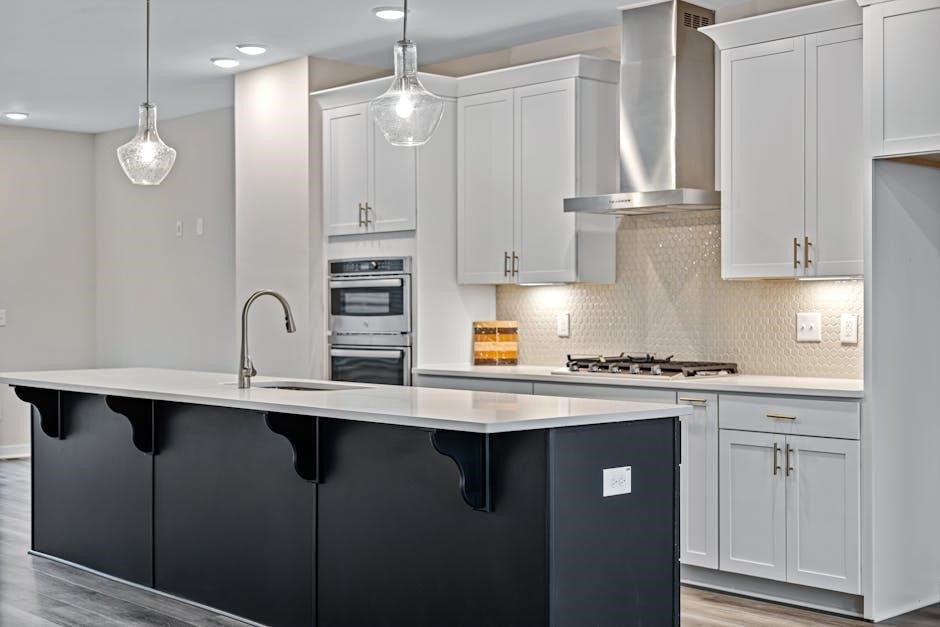
GE double oven gas ranges offer varied capacities, typically ranging from standard to larger sizes, accommodating diverse cooking needs․ Configurations include traditional separate ovens, or a combination of a standard and convection oven․ Understanding your model’s specific cubic footage is crucial for optimal results․
Larger capacities are ideal for holiday gatherings or batch cooking, while the dual-oven setup allows simultaneous cooking at different temperatures – perfect for roasting and baking concurrently․ Refer to your model’s specifications for precise dimensions and usable space within each oven cavity․ Properly utilizing the space ensures efficient and even cooking․
Burner Types & Capabilities
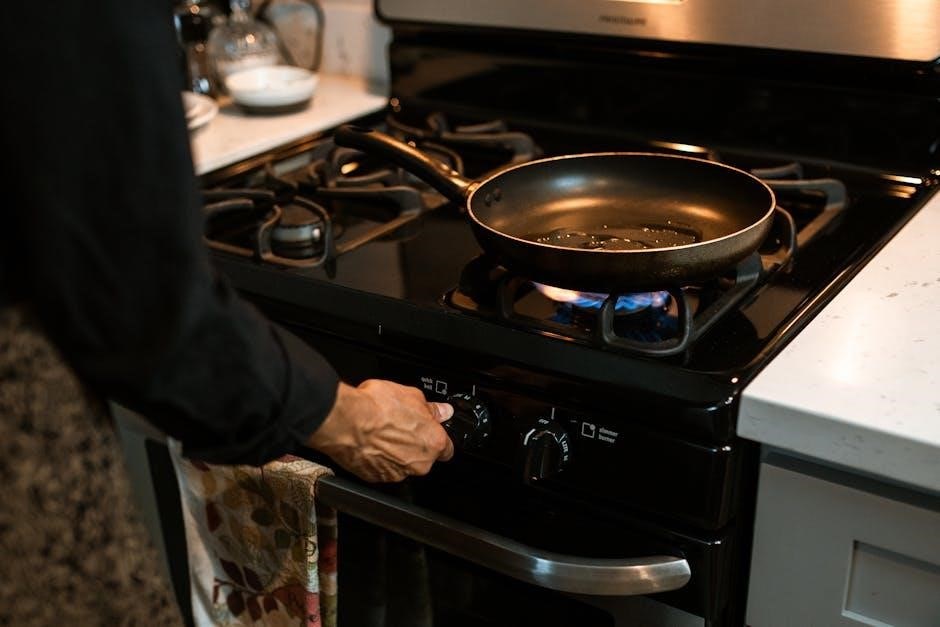
GE gas ranges feature a variety of burner types, including standard, power burners, and sealed burners, each offering distinct heating capabilities․ Power burners deliver high BTU output for rapid boiling and searing, while sealed burners prevent spills from entering the gas valve․
Some models include simmer burners for delicate sauces and low-heat cooking․ Understanding each burner’s function maximizes cooking efficiency․ Consistent flame quality indicates proper operation; irregular flames may signal a cleaning need or potential issue․ Always ensure burners are properly aligned and clean for safe and effective use․
Control Panel Overview & Functions
The GE double oven gas range control panel typically features electronic touch controls or traditional knobs for managing oven and burner settings․ Digital displays clearly indicate temperature, cooking mode, and timer functions․ Common functions include bake, broil, convection bake, and self-clean․
Dedicated oven controls allow independent operation of both ovens․ Timer settings enable precise cooking durations․ Familiarizing yourself with the panel’s layout and functions ensures effortless operation and unlocks the range’s full potential for culinary creations․
Operating the Ovens
This section details how to effectively utilize both ovens, covering temperature settings, cooking modes, and utilizing the convection feature for optimal results․
Setting Oven Temperature & Cooking Modes
Your GE double oven gas range offers a variety of cooking modes to suit diverse culinary needs․ To set the temperature, use the control panel’s intuitive digital display or traditional knobs, depending on your model․
Common modes include Bake, Broil, Roast, and Convection Bake․ The Bake setting is ideal for general cooking, while Broil provides intense top-down heat․ Roast is perfect for larger cuts of meat, and Convection Bake ensures even cooking with circulating air․
Always preheat the oven before placing food inside for consistent results․ Refer to your recipe for the recommended temperature and cooking time․
Using the Convection Feature
The convection feature on your GE double oven gas range utilizes a fan to circulate hot air, resulting in faster and more even cooking․ This is particularly beneficial for baking multiple items simultaneously or achieving crispy textures․
To activate convection, select the “Convection Bake” or “Convection Roast” mode on the control panel․
Reduce the cooking temperature by 25°F (15°C) when using convection, and check for doneness slightly earlier than the recipe suggests․ Avoid opening the oven door frequently during convection cooking to maintain consistent temperature․
Self-Cleaning Cycle Instructions
Your GE double oven gas range features a self-cleaning cycle that utilizes high heat to burn off food residue․ Before initiating, remove all racks, cookware, and any loose debris from both ovens․
Select the “Self Clean” option on the control panel and choose the desired cycle length (light, medium, or heavy) based on soil level․
The door will automatically lock during the cycle․ Do not attempt to open it․
Ensure adequate ventilation during the self-clean cycle, as it may produce odors․
Troubleshooting Common Issues
This section provides solutions for typical problems like heating failures, ignition difficulties, and control panel errors on your GE gas range․
Oven Not Heating
If your GE double oven isn’t heating, first verify the power supply and ensure the control panel displays a set temperature․ Check the oven’s bake and broil elements for visible damage; a broken element won’t generate heat․ Confirm the igniter is glowing – a weak or absent glow indicates a potential igniter or gas supply issue․
Inspect the safety valve; it prevents gas flow if it doesn’t detect a heated igniter․ A faulty oven temperature sensor can also cause this problem, sending incorrect readings to the control board․ If issues persist, consult a qualified technician for diagnosis and repair, as gas appliances require professional attention․
Burner Ignition Problems
If a burner fails to ignite on your GE gas range, ensure the gas supply is active and the burner port is clear of debris․ A clicking sound indicates the igniter is working, but no flame suggests a gas flow issue․ Check for obstructions in the burner tube or a faulty gas valve․
Sometimes, a dirty burner head prevents proper ignition; cleaning it may resolve the problem․ If the igniter doesn’t click, it may be defective and require replacement․ For persistent issues, disconnect the gas supply and contact a qualified appliance repair technician․
Control Panel Malfunctions
If your GE double oven gas range’s control panel becomes unresponsive, first try resetting the appliance by turning off the power at the breaker for several minutes․ A frozen display or incorrect readings may indicate a software glitch․ Ensure the control panel is dry and free from obstructions․
If issues persist, a faulty control board might be the cause, requiring professional diagnosis and repair․ Avoid attempting self-repair of electronic components; contact GE customer support or a certified technician for assistance․
Cleaning & Maintenance
Regular cleaning preserves your GE range’s performance and appearance; focus on the oven interior, cooktop, burners, and exterior surfaces for optimal results․
Cleaning the Oven Interior
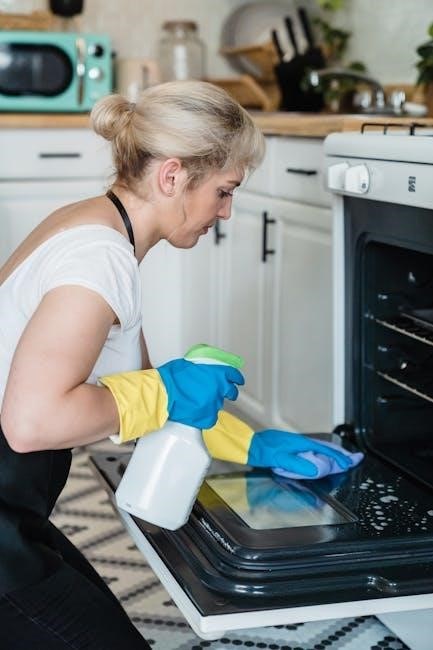
Maintaining a clean oven interior is crucial for efficient cooking and preventing unpleasant odors․ For light cleaning, a damp cloth with mild dish soap often suffices․ However, for baked-on spills and residue, utilize the self-cleaning cycle, following all safety precautions detailed in the manual․
Alternatively, a non-abrasive oven cleaner can be employed, ensuring proper ventilation․ Avoid harsh chemicals that could damage the oven’s finish․ Regularly wiping up spills immediately prevents stubborn buildup, simplifying future cleaning efforts․ Remember to remove all racks and accessories before initiating the self-clean process․
Cleaning the Cooktop & Burners
Regular cleaning of the cooktop and burners ensures optimal performance and prevents gas flow obstructions․ After each use, allow the surfaces to cool completely before wiping with a damp cloth and mild detergent․ For stubborn spills, a cooktop cleaning cream can be applied, following the product’s instructions carefully․
Burner caps should be removed and soaked in warm, soapy water․ Ensure the burner ports are clear of debris using a small wire or pin․ Dry all components thoroughly before reassembling․ Avoid abrasive cleaners that could scratch the cooktop’s surface․
Maintaining the Range’s Exterior
To preserve the appearance of your GE double oven gas range, regular exterior maintenance is crucial․ Wipe down the stainless steel or enamel surfaces with a soft cloth dampened with warm water and mild dish soap․ Avoid abrasive cleaners, scouring pads, or steel wool, as these can cause scratches and damage the finish․
For fingerprint-resistant stainless steel, use a dedicated stainless steel cleaner and polish․ Periodically check and tighten any loose screws or knobs․ Promptly address any spills or splatters to prevent staining or corrosion․
Warranty Information & Support
GE appliances are backed by a comprehensive warranty; access support through the GE website, customer service, or locate authorized parts retailers easily․
GE Appliance Warranty Details
GE offers varying warranty coverage depending on the specific double oven gas range model and purchase date․ Typically, the limited warranty covers one year for parts and labor, addressing defects in materials or workmanship․
Extended warranties are often available for purchase, providing additional coverage for several years beyond the initial term․ These extended plans may cover components like the gas burners, oven racks, or electronic controls․

Warranty service is usually performed by GE’s authorized service network; retain your proof of purchase for warranty claims․ Full warranty details are available in the product’s documentation or on the GE Appliances website․
Contacting GE Customer Support
GE Appliances provides multiple avenues for customer support regarding your double oven gas range․ You can reach them via phone at 1-800-626-2000, available during standard business hours․
Their website, www․geappliances․com, offers a comprehensive FAQ section, troubleshooting guides, and the ability to schedule service appointments online․ Live chat support is also frequently available through the website for immediate assistance․
For specific model inquiries or warranty claims, have your model and serial number readily available when contacting support․
Finding Replacement Parts
Genuine GE appliance replacement parts can be sourced through several channels, ensuring compatibility and maintaining your range’s performance․ The official GE Appliances Parts Store (www․gepartstore․com) offers a vast inventory searchable by model number․
Authorized GE service centers also stock common replacement parts like burners, igniters, and oven racks․ Third-party appliance parts retailers, such as AppliancePartsPros, are viable options, but verify part compatibility before purchasing․
Always use your model number to guarantee the correct part is ordered․