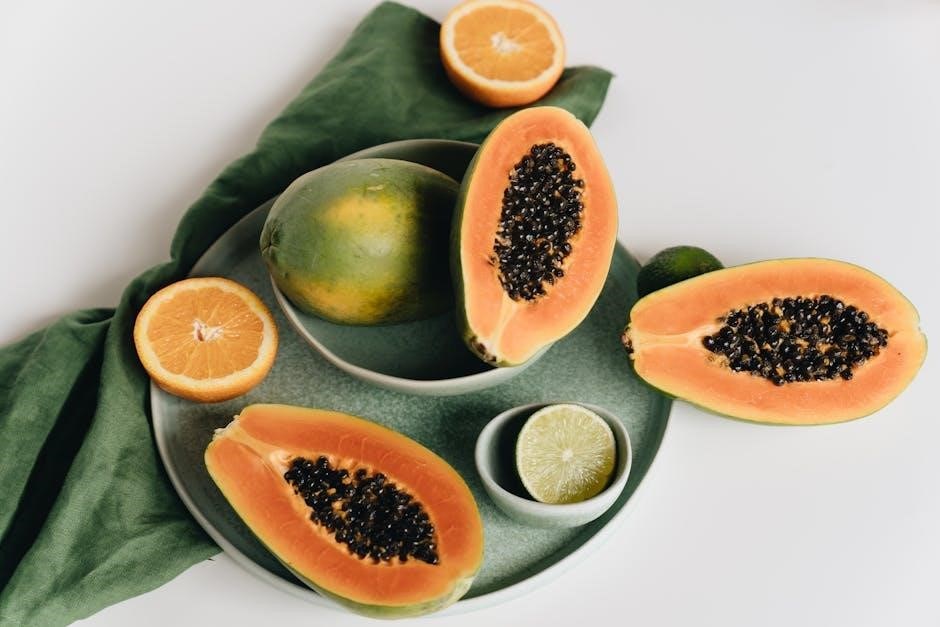
Sunspectra, a Costa Rican initiative, pioneers sunscreen formulation using papaya waste․ Over forty versions were tested, aiming for positive impact on consumers, producers, and the environment․
The project launched in March 2020, offering bars, creams, and makeup bases, highly valued within the Costa Rican market․
Background on Sunscreen and UV Protection
Sunscreen’s primary function is shielding skin from harmful ultraviolet (UV) radiation – UVA and UVB rays – preventing sunburn, premature aging, and skin cancer․ Traditional sunscreens rely on chemical filters absorbing UV rays, or mineral filters reflecting them․ However, growing consumer awareness drives demand for natural alternatives․
This shift stems from concerns regarding potential chemical absorption and environmental impact․ Consequently, research focuses on naturally derived UV protectants, like those found in fruits․ Sunspectra addresses this need, utilizing papaya waste, a sustainable resource, to create a novel sunscreen formulation․
The Rise of Natural and Sustainable Sunscreen Options
Consumer demand increasingly favors natural and sustainable products, extending to sun protection․ Concerns about chemical ingredients in conventional sunscreens – like oxybenzone and octinoxate – fuel this trend, alongside environmental worries regarding coral reef damage․
This shift encourages innovation utilizing plant-based compounds with UV-protective properties․ Sunspectra exemplifies this movement, leveraging papaya waste, a byproduct of the food industry, to create an eco-friendly sunscreen․ This approach minimizes waste and offers a potentially safer alternative․

Papaya as a Source of UV-Protective Compounds
Papaya contains carotenoids – beta-carotene and lycopene – offering antioxidant benefits for skin health․ Utilizing papaya waste promotes sustainability in sunscreen development․
Carotenoids in Papaya: Beta-Carotene and Lycopene
Papaya is notably rich in carotenoids, specifically beta-carotene and lycopene, powerful compounds known for their antioxidant properties․ These pigments contribute to the fruit’s vibrant color and, crucially, offer photoprotective benefits when applied to the skin․
Beta-carotene converts to Vitamin A, essential for skin repair, while lycopene effectively combats free radicals generated by UV exposure․ Harnessing these naturally occurring elements within papaya waste presents a sustainable and effective approach to sunscreen formulation, offering a natural alternative to synthetic UV filters․
Antioxidant Properties of Papaya and Skin Health
Papaya’s potent antioxidant profile extends beyond carotenoids, encompassing Vitamin C and enzymes like papain․ These compounds neutralize free radicals induced by UV radiation, mitigating oxidative stress and preventing premature skin aging․
This protective action is vital for maintaining skin health, reducing inflammation, and supporting collagen production․ Utilizing papaya in sunscreen isn’t solely about UV blockage; it’s about nourishing and safeguarding the skin during and after sun exposure, promoting overall skin wellness․
Papaya Waste as a Sustainable Resource
Sunspectra uniquely leverages papaya waste – peels, seeds, and rejected fruit – transforming agricultural byproducts into a valuable sunscreen ingredient․ This approach addresses both environmental concerns and economic opportunities․
By utilizing what was previously discarded, the project minimizes waste, supports local agriculture, and reduces reliance on synthetic compounds․ This circular economy model enhances sustainability, offering a cost-effective source of UV-protective compounds and aligning with eco-conscious consumer values․
The Sunspectra Project: A Costa Rican Initiative
Sunspectra, initiated in March 2020, is a Costa Rican entrepreneurial venture focused on developing sunscreen from papaya waste, offering bars, creams, and bases․
Mariola Urgellés and the Development of Sunspectra
Mariola Urgellés spearheaded Sunspectra’s development, recognizing a need for impactful products benefiting customers, producers, and the environment․ She meticulously tested over forty formulations, seeking a unique value proposition beyond basic functionality․
Urgellés collaborated with the Centro de Investigaciones de Productos Naturales (CIPRONA) at the University of Costa Rica, receiving crucial guidance throughout the process․ Her vision transformed papaya waste into a viable, marketable sunscreen line, demonstrating innovation and sustainability․
Collaboration with CIPRONA (University of Costa Rica)
Mariola Urgellés strategically partnered with CIPRONA, the Natural Products Research Center at the University of Costa Rica, for expert guidance in Sunspectra’s development․ This collaboration was pivotal, providing essential scientific support and resources for formulating a sunscreen based on papaya waste․
CIPRONA’s expertise helped navigate the complexities of extracting and stabilizing UV-protective compounds from papaya․ This partnership ensured the product’s efficacy and adherence to quality standards, accelerating the journey from concept to a marketable sunscreen line․
Product Line: Bars, Creams, and Makeup Bases
Sunspectra currently offers a diverse range of sun protection products catering to varied consumer preferences․ The initial launch in March 2020 included a convenient sunscreen bar, a classic cream formulation, and an innovative makeup base infused with papaya extracts․
These products are designed to deliver UV protection while promoting skin health and supporting sustainable practices․ Each format aims to provide a positive impact, appealing to a growing market seeking natural and eco-conscious skincare solutions in Costa Rica;
Formulation Development and Testing
Mariola Urgellés rigorously tested over forty sunscreen formulations, seeking a superior version with added value, utilizing guidance from CIPRONA at the University of Costa Rica․
Iterative Formulation Process: Over 40 Versions Tested
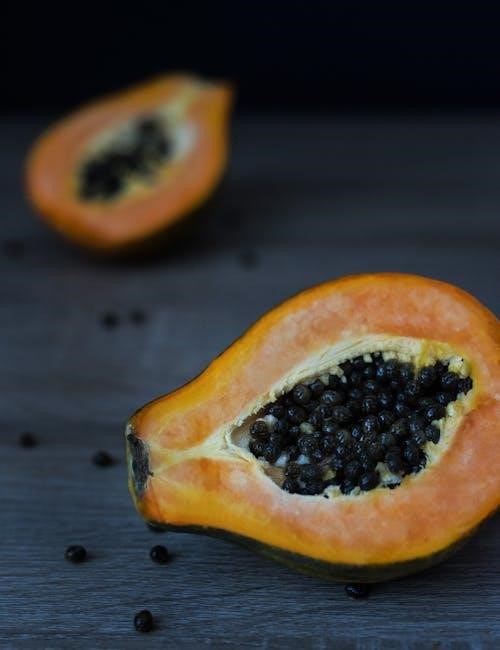
Sunspectra’s development involved a meticulous, iterative process․ Mariola Urgellés explored more than forty distinct formulations, carefully evaluating each iteration․ While numerous versions demonstrated functionality, the final formulation distinguished itself through a unique, added benefit․ This extensive testing phase, guided by CIPRONA, ensured optimal performance and a positive impact․
The goal was to create a product that not only provided UV protection but also aligned with sustainability and local resource utilization․
Key Ingredients Beyond Papaya Waste
Sunspectra’s formula extends beyond utilizing papaya waste; it incorporates carefully selected essential oils to enhance its properties․ These oils contribute to the sunscreen’s efficacy and overall skin health benefits․ The combination of papaya-derived compounds and these natural oils creates a synergistic effect, boosting UV protection and providing nourishment․
This strategic ingredient selection ensures a well-rounded product that is both effective and gentle on the skin, aligning with the project’s sustainability goals․
Essential Oils and Their Role in Sunscreen
Essential oils play a crucial role in Sunspectra’s formulation, contributing beyond fragrance․ They offer antioxidant properties, complementing papaya’s natural benefits, and potentially enhancing UV protection․ These oils also contribute to skin hydration and soothing effects, minimizing potential irritation․
The specific oils used are carefully chosen for their compatibility with papaya extracts and their ability to create a stable, effective sunscreen․ This holistic approach maximizes the product’s benefits․
Analyzing the UV Protection Factor (SPF)
Sunspectra’s development involved rigorous SPF testing of over forty formulations․ Achieving adequate and stable SPF levels with papaya extracts presented formulation challenges for Mariola Urgellés․
Methods for SPF Testing
Determining the Sunspectra sunscreen’s UV protection involved extensive testing procedures․ The iterative formulation process, encompassing over forty versions, necessitated repeated SPF evaluations․ While specific methodologies aren’t detailed in the provided text, standard SPF testing typically involves exposing human skin or in vitro reconstructed human epidermis to measured doses of ultraviolet radiation․
Researchers then assess the degree of erythema (redness) to calculate the SPF value, indicating how much longer it takes for skin to burn with the sunscreen applied․ Maintaining consistent and reliable SPF results is crucial for product efficacy․
Achieving Adequate SPF Levels with Papaya Extracts
Sunspectra’s development focused on maximizing UV protection from papaya waste extracts․ The project involved numerous formulations – over forty versions were tested – to identify combinations yielding sufficient SPF levels․ While the exact SPF achieved isn’t specified, the iterative process suggests a deliberate effort to optimize the papaya-based formula․
Success hinges on effectively harnessing the UV-protective compounds within the papaya, alongside other ingredients, to meet regulatory standards and consumer expectations for sun protection․
Challenges in Maintaining SPF Stability
Sunspectra’s development encountered hurdles in ensuring consistent SPF levels across different batches and over time․ The extensive testing of over forty formulations indicates the difficulty in stabilizing the UV protection offered by papaya extracts․ Natural compounds can be susceptible to degradation from light, heat, or oxidation․
Maintaining long-term efficacy requires careful consideration of ingredient interactions, packaging, and storage conditions to prevent a decline in SPF and guarantee reliable sun protection․
Production and Market Considerations
Sunspectra’s cost-effectiveness stems from utilizing papaya waste, appealing to the Costa Rican market․ It supports local agriculture and reduces environmental impact through sustainable practices․
Cost-Effectiveness of Papaya Waste Utilization
Utilizing papaya waste significantly reduces production costs for Sunspectra sunscreen․ This innovative approach transforms a byproduct into a valuable resource, minimizing raw material expenses․ The project’s economic viability hinges on this sustainable sourcing strategy, making the sunscreen competitively priced within the Costa Rican market․
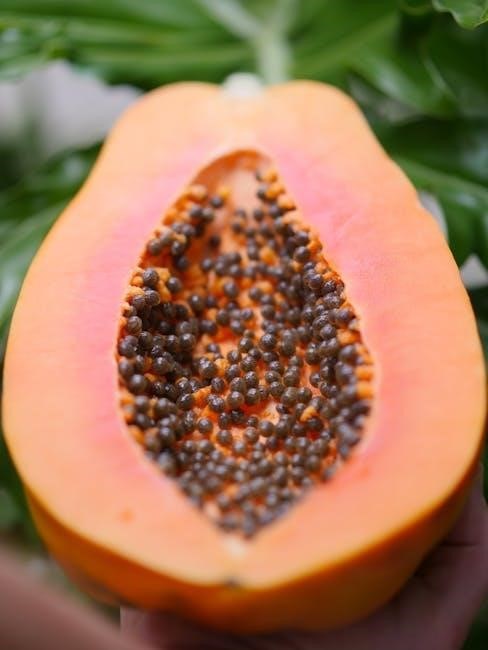
This cost-effectiveness allows for broader accessibility and supports the project’s goal of positive impact, benefiting both consumers and local producers․ It demonstrates a circular economy model, enhancing profitability while minimizing waste․
Target Market and Consumer Demand in Costa Rica
Sunspectra’s target market in Costa Rica encompasses environmentally conscious consumers seeking natural and sustainable skincare options․ The initial product launch in March 2020 revealed strong demand for the sunscreen bars, creams, and makeup bases․ This indicates a growing preference for locally produced, eco-friendly alternatives to conventional sunscreens․
Consumer interest is driven by the product’s positive impact on clients, producers, and the environment, aligning with Costa Rica’s eco-tourism and sustainability values․
Environmental Impact and Sustainability
Sunspectra significantly reduces environmental impact by utilizing papaya waste, a byproduct often discarded․ This innovative approach transforms waste into a valuable resource, supporting a circular economy and minimizing landfill contributions․ The formulation’s reliance on essential oils and natural ingredients further enhances its sustainability profile․
The project actively supports local agriculture and waste reduction initiatives, aligning with Costa Rica’s commitment to environmental preservation․ This creates a positive feedback loop benefiting both the ecosystem and local communities․

Potential Benefits of Papaya-Based Sunscreen
Sunspectra offers reduced chemical exposure, skin nourishment, and hydration․ It supports local agriculture and minimizes waste, creating a positive impact for customers and the environment․
Reduced Chemical Exposure
Sunspectra distinguishes itself by minimizing reliance on conventional sunscreen chemicals, often linked to potential health concerns and environmental damage․ Utilizing papaya waste as a core ingredient drastically lowers the concentration of synthetic compounds directly applied to the skin․
This approach caters to a growing consumer demand for natural and sustainable alternatives, offering a gentler option, particularly beneficial for sensitive skin․ The formulation prioritizes harnessing nature’s protective properties, reducing potential adverse reactions associated with traditional sunscreens․
Skin Nourishment and Hydration
Papaya is naturally rich in vitamins, antioxidants, and enzymes, offering benefits beyond UV protection․ Sunspectra leverages these properties to deliver a sunscreen that actively nourishes and hydrates the skin during sun exposure․
The inclusion of essential oils further enhances this effect, contributing to skin health and a pleasant sensory experience․ Unlike some chemical sunscreens that can be drying, this formulation aims to maintain skin moisture, promoting a healthy and radiant complexion while safeguarding against UV damage․
Support for Local Agriculture and Waste Reduction
Sunspectra’s innovative approach utilizes papaya waste, a byproduct of the Costa Rican fruit industry, transforming it into a valuable resource․ This reduces environmental impact by minimizing waste and promoting a circular economy․
Furthermore, the project supports local agriculture by creating demand for papaya, benefiting producers and strengthening the regional economy․ This sustainable model demonstrates a commitment to both environmental responsibility and community empowerment, aligning with growing consumer preferences for ethical products․
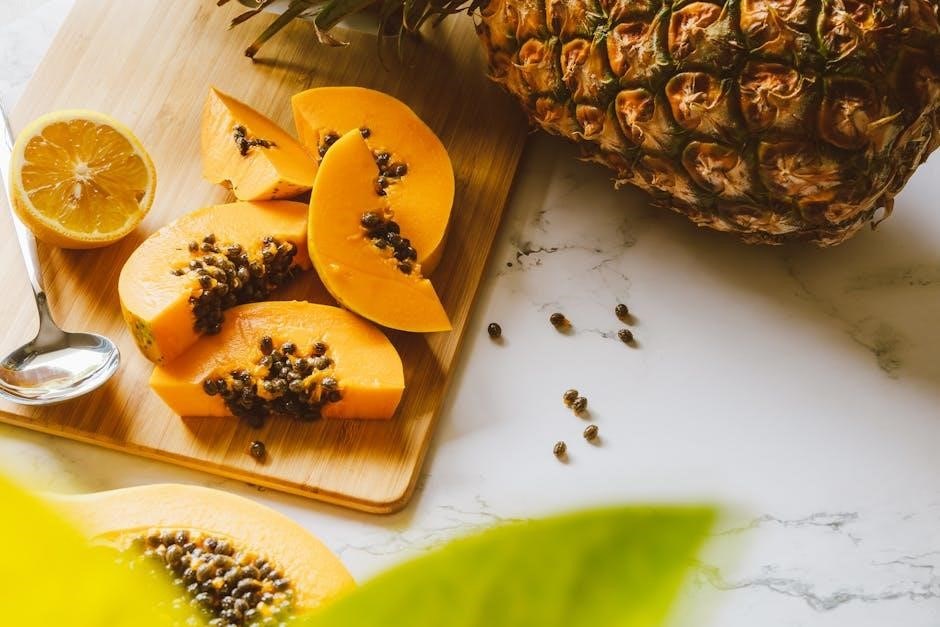
Challenges and Future Research
Scaling production, improving SPF and water resistance, and ensuring long-term stability are key challenges․ Further research will focus on optimizing papaya extract effectiveness․
Scaling Up Production
Expanding Sunspectra’s production presents logistical hurdles․ Reliably sourcing sufficient papaya waste is crucial, demanding strengthened collaborations with local producers to ensure consistent supply․ Optimizing extraction processes for UV-protective compounds is also vital for larger batches․
Maintaining product quality during scaled manufacturing requires rigorous quality control measures․ Investment in equipment and trained personnel will be necessary to meet growing consumer demand within Costa Rica and potentially beyond, while upholding sustainability principles․
Improving SPF and Water Resistance
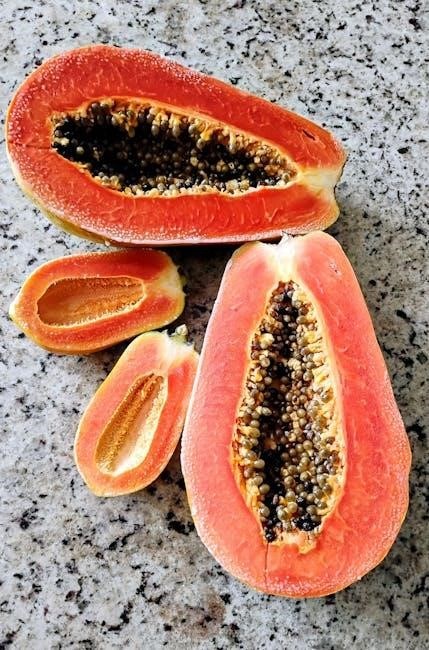
Achieving consistently high SPF levels with papaya extracts remains a key challenge․ Further research is needed to optimize extraction techniques and formulation strategies to enhance UV protection․ Improving water resistance is equally critical for practical use․
Exploring encapsulation technologies or combining papaya extracts with complementary UV filters could boost both SPF and durability․ Rigorous testing, adhering to Costa Rican regulations, will be essential to validate any improvements and ensure consumer safety and efficacy․
Long-Term Stability and Shelf Life
Maintaining the efficacy and quality of papaya-based sunscreen over extended periods presents a significant hurdle․ Natural extracts are often susceptible to degradation from light, air, and temperature fluctuations․
Research focuses on identifying suitable stabilizers and packaging solutions to prolong shelf life․ Investigating antioxidant synergy within the papaya extract itself, alongside appropriate preservatives, is crucial․ Comprehensive stability testing under various conditions will determine optimal storage guidelines and ensure product integrity․
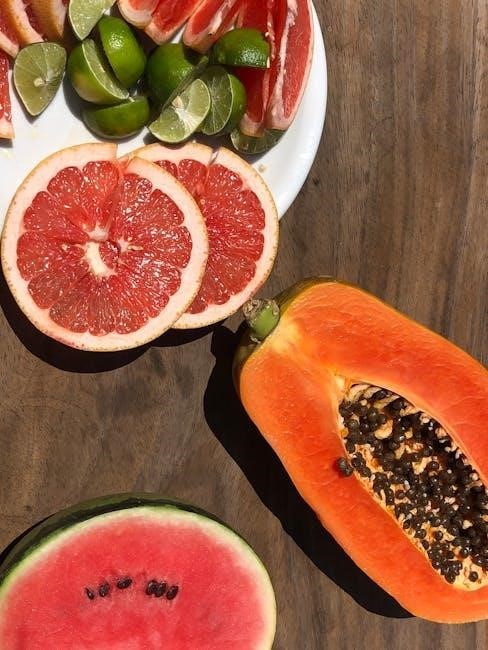
Regulatory Aspects and Compliance
Costa Rican sunscreen regulations govern ingredient safety and labeling․ Approval processes ensure products meet established standards․ Compliance is vital for market access and consumer protection․
Sunscreen Regulations in Costa Rica
Costa Rica’s regulatory framework for sunscreens, while not explicitly detailed in the provided text, necessitates adherence to established standards for ingredient safety and product efficacy․ Manufacturers like Sunspectra must navigate these regulations to ensure legal market access․
Compliance involves rigorous testing and documentation to demonstrate the product’s safety profile and its ability to deliver the stated Sun Protection Factor (SPF)․ Labeling requirements are also crucial, providing consumers with accurate information regarding usage and potential allergens․
The Ministry of Health likely oversees these regulations, ensuring public health and safety are prioritized within the cosmetic industry․
Ingredient Safety and Approval
Sunspectra’s formulation, utilizing papaya waste alongside essential oils, demands thorough ingredient safety assessments․ Costa Rican regulations require verification that all components are non-toxic and suitable for topical application․
Papaya itself is generally recognized as safe, but the extraction process and concentration of UV-protective compounds must be evaluated․ Essential oils, while natural, can cause sensitivities, necessitating careful consideration of concentration levels․
Approval likely involves submitting a comprehensive ingredient list and safety data to the relevant health authorities for review and certification․
Labeling Requirements
Sunspectra sunscreen labeling in Costa Rica must adhere to national health regulations․ Key elements include a clear statement of SPF level, achieved through rigorous testing․
A complete ingredient list, presented in descending order of concentration, is mandatory․ Warnings regarding potential allergens, particularly from essential oils, are crucial․
Directions for use, including reapplication frequency, must be prominently displayed․ The manufacturer’s name and contact information, alongside batch numbers, are also required for traceability and consumer safety․
MyHumana Resources (Relevance to Health & Wellness)
MyHumana offers members access to benefits, ID cards, and health resources online․ Activate your profile to manage your health and well-being effectively!
Accessing Benefit Information
Humana members gain convenient access to crucial benefit details through MyHumana․ Easily view your digital ID card (excluding Humana Specialty Benefits) directly within the platform․ You can also print a Letter of Coverage or a certificate for verification purposes․
Furthermore, download and review your Explanation of Benefits statements, providing a clear breakdown of your healthcare expenses․ MyHumana also compiles all letters sent to members, ensuring you stay informed about important updates and communications regarding your plan․
Managing Health Resources Online
Humana․com serves as a comprehensive hub for members to proactively manage their health and well-being․ The platform offers a wide range of health living resources designed to support a healthier, more rewarding life for you and your family․
Activate your MyHumana profile to unlock full access to these valuable tools․ Explore options for spending accounts and frequently asked questions related to them․ Download the MyHumana app for convenient on-the-go access to your health information․
MyHumana App Functionality
MyHumana app provides convenient access to essential health information and benefits management tools․ Members can view their ID card (excluding Humana Specialty Benefits) directly within the app, eliminating the need for a physical card․
Furthermore, the app allows you to print a Letter of Coverage or certificate, and download an Explanation of Benefits for easy record-keeping․ Access to member letters is also available, streamlining communication and ensuring you stay informed about your plan․
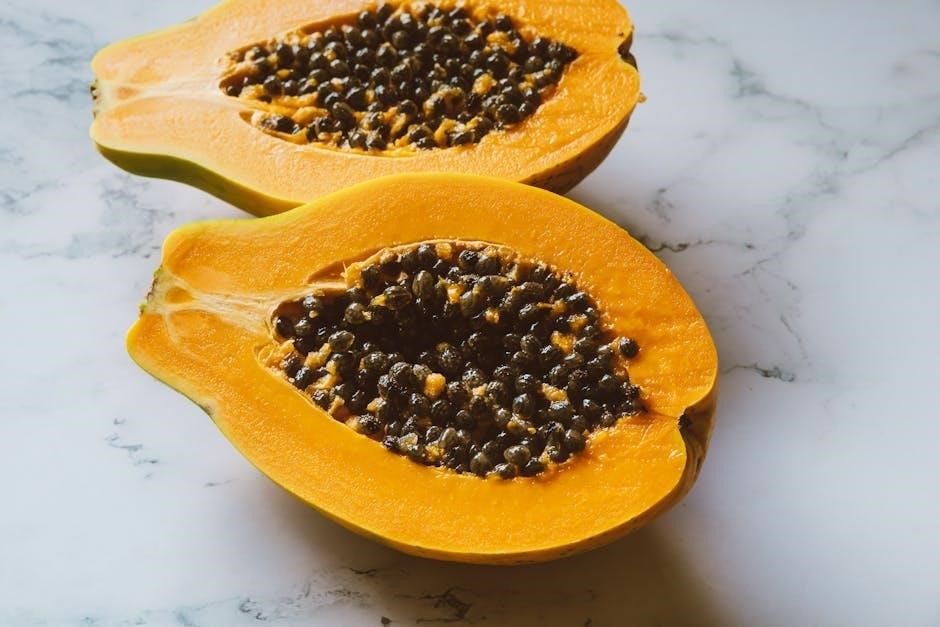
The Future of Papaya Sunscreen
Sunspectra demonstrates potential for global expansion, driving innovation in natural sunscreen technology․ Continued research and development will unlock papaya’s full UV-protective capabilities․
Potential for Global Expansion
Sunspectra’s success in Costa Rica highlights a viable model for sustainable sunscreen production worldwide․ Utilizing papaya waste addresses both environmental concerns and resource efficiency․ The unique formulation, incorporating essential oils and proven UV-protective compounds, appeals to a growing market seeking natural alternatives․
Expanding beyond Costa Rica requires strategic partnerships and adaptation to diverse regulatory landscapes․ The project’s focus on local agriculture and waste reduction offers a compelling narrative for international consumers, fostering brand loyalty and positive impact․
Innovation in Natural Sunscreen Technology
Sunspectra represents a significant leap in natural sunscreen technology, moving beyond conventional chemical filters․ The iterative formulation process, involving over forty versions, demonstrates a commitment to optimizing efficacy and stability using papaya waste․ This approach unlocks the potential of carotenoids and antioxidants for UV protection․
Further innovation lies in refining SPF levels and water resistance while maintaining a sustainable profile․ Sunspectra paves the way for a new generation of sunscreens that are both effective and environmentally responsible․
The Role of Research and Development
Research and Development were central to Sunspectra’s success, spearheaded by Mariola Urgellés and guided by CIPRONA at the University of Costa Rica․ The extensive testing of over forty formulations highlights a rigorous scientific approach․
Ongoing R&D is crucial for scaling production, enhancing SPF and water resistance, and ensuring long-term stability․ Continued investigation into papaya’s UV-protective compounds will unlock further innovations in natural sunscreen technology and broaden its global potential․