
In a world increasingly reliant on technology, a powerful movement is emerging – a return to the foundational skills of our ancestors․
This “back to basics” approach offers a profound sense of accomplishment and purpose, enriching at-home life with tangible results․
These aren’t merely “depression era tips,” but vital survival skills, crucial for self-sufficiency and resilience in an uncertain future․
Learning these skills empowers individuals and strengthens communities, ensuring valuable knowledge isn’t lost to time, benefiting generations to come․
The Modern Appeal of Ancestral Knowledge
The resurgence of interest in traditional skills isn’t simply nostalgia; it’s a pragmatic response to modern anxieties․ A growing number of individuals are seeking a deeper connection to the origins of the things they consume, desiring self-reliance and a reduced dependence on complex systems․
This desire is fueled by concerns about economic instability, environmental sustainability, and a perceived loss of community․ Knowing how to provide for oneself – whether through growing food, mending clothes, or building shelter – offers a sense of security and control․
Furthermore, these skills offer a creative outlet and a tangible sense of accomplishment often missing in modern, digitally-driven lives․ The act of crafting something with one’s own hands, from a loaf of bread to a knitted sweater, is deeply satisfying․
The appeal extends to preparedness – recognizing that forgotten survival skills will be invaluable in challenging circumstances․ It’s about reclaiming a heritage of resourcefulness and resilience, empowering individuals to thrive, not just survive․
Why Learn Traditional Skills Today?
In an era defined by convenience, learning traditional skills might seem counterintuitive, yet their relevance is arguably greater than ever․ These skills foster self-sufficiency, reducing reliance on fragile supply chains and empowering individuals to meet their basic needs independently․
Beyond practicality, mastering these crafts cultivates a deeper appreciation for the effort and resources involved in creating everyday items․ This mindful approach encourages conscious consumption and a rejection of disposable culture․
Moreover, traditional skills offer a powerful antidote to the alienation often experienced in modern life․ Engaging in hands-on activities connects us to our ancestors, to the natural world, and to a sense of purpose․
Finally, passing down this knowledge to future generations is a vital act of preservation, ensuring that valuable skills and cultural heritage aren’t lost․ It’s an investment in resilience, community, and a more sustainable future for all․

Food Preservation & Production
Embrace self-reliance through time-honored methods like canning, pickling, baking, and gardening․ Cultivate real food fundamentals, extending harvests and nourishing families with wholesome, homegrown sustenance․
Canning and Pickling: Extending the Harvest
Preserving the bounty of the garden is a cornerstone of self-sufficiency, and canning and pickling stand as time-tested methods for achieving this․ These techniques allow you to enjoy seasonal flavors long after the harvest is over, reducing food waste and providing a reliable food source․

Canning involves sealing food in airtight jars and heating them to destroy microorganisms that cause spoilage․ From fruits and jams to vegetables and meats, the possibilities are vast․ Pickling, on the other hand, utilizes an acidic brine – often vinegar-based – to inhibit bacterial growth, creating tangy and flavorful preserves․
Mastering these skills requires attention to detail, proper equipment, and adherence to safety guidelines․ However, the reward – a pantry stocked with delicious, homemade preserves – is well worth the effort․ It’s a tangible connection to past generations and a powerful step towards food independence․
Beyond the practical benefits, canning and pickling offer a creative outlet, allowing you to experiment with flavors and create unique culinary delights․ It’s a fulfilling process that connects you to the rhythm of the seasons and the satisfaction of providing for yourself and your loved ones․
Bread Baking: From Grain to Loaf
The aroma of freshly baked bread is a timeless comfort, and the skill of bread baking represents a fundamental connection to our food․ Moving beyond store-bought loaves and embracing the process from grain to loaf is deeply rewarding, offering control over ingredients and a superior taste experience․
Starting with the basics – flour, water, yeast, and salt – you can unlock a world of bread varieties․ Learning to knead dough, understand fermentation, and shape loaves are essential steps․ While it requires practice, the satisfaction of creating a nourishing staple from scratch is immense․
Bread baking isn’t just about sustenance; it’s a mindful activity that encourages patience and connection to the natural world․ It’s a skill that can be passed down through generations, fostering a sense of family tradition and shared experience․
In a world of convenience foods, the act of baking bread is a powerful statement of self-reliance and a celebration of simple, wholesome living․ It’s a skill that nourishes both body and soul, offering a tangible link to a slower, more intentional way of life․
Basic Cooking from Scratch: Real Food Fundamentals
Returning to the roots of cooking – preparing meals entirely from whole, unprocessed ingredients – is a cornerstone of traditional skills․ This isn’t about gourmet cuisine, but mastering fundamental techniques like making stocks, sauces, and simple dishes from scratch․ Knowing how to feed yourself with “real food” is paramount․
Starting with basic knife skills and understanding flavor profiles, you can build a repertoire of versatile recipes․ Learning to cook beans, roast vegetables, and prepare simple proteins forms the foundation for countless meals․ It’s about minimizing reliance on pre-packaged foods and maximizing nutritional value;
This skill fosters creativity and resourcefulness in the kitchen, allowing you to adapt recipes based on available ingredients and personal preferences․ It’s a powerful antidote to food waste and a step towards greater self-sufficiency․
In a world of fast food and convenience meals, reclaiming the art of cooking from scratch is a revolutionary act․ It’s an investment in your health, your well-being, and a connection to the traditions of generations past․
Gardening: Growing Your Own Food
Cultivating a garden, even a small one, represents a powerful step towards self-reliance and a deeper connection with nature․ Traditional gardening isn’t about perfectly manicured lawns, but about understanding the rhythms of the seasons and nurturing the soil․
Starting with basic soil preparation, seed starting, and companion planting, you can create a thriving ecosystem that provides fresh, nutritious produce․ Learning to identify pests and diseases, and employing natural pest control methods, is crucial for a sustainable garden․
Gardening offers more than just food; it’s a therapeutic activity that promotes physical activity, reduces stress, and fosters a sense of accomplishment․ It’s a skill that can be passed down through generations, ensuring food security and a connection to the land․
In a world facing increasing environmental challenges, gardening is a tangible way to contribute to a more sustainable future․ It’s a return to a simpler way of life, rooted in the wisdom of our ancestors․
Raising Small Livestock: Eggs, Milk, and Meat
Venturing into small livestock raising offers a significant stride towards self-sufficiency, providing a sustainable source of essential foods like eggs, milk, and meat․ This isn’t simply about animal husbandry; it’s about understanding animal needs, responsible care, and respecting the cycle of life․
Starting with chickens for eggs is a common entry point, followed by goats or cows for milk․ Raising meat animals, however, presents a unique emotional challenge, as highlighted by the difficulty some face with the “killing part․”
Learning proper animal care, including feeding, shelter, and health management, is paramount․ Understanding butchering and processing techniques, or finding ethical local sources, completes the cycle․
While demanding, raising small livestock fosters a deep connection to your food source and provides a level of independence rarely found in modern life․ It’s a skill vital for a truly self-sustaining lifestyle;
Textile Arts & Clothing
From fiber to finished garment, textile arts represent a cornerstone of self-reliance․ Skills like sewing, knitting, and weaving extend clothing life and foster creativity․
These practices reduce waste and offer a tangible connection to the creation of our everyday necessities․
Sewing and Mending: Extending the Life of Clothes
In an age of fast fashion, the art of sewing and mending is experiencing a remarkable revival․ More than just a practical skill, it’s a powerful act of resistance against consumerism and waste․ Learning to repair clothing – patching holes, replacing buttons, and altering ill-fitting garments – dramatically extends their lifespan․
This practice saves money, reduces textile waste in landfills, and fosters a deeper appreciation for the craftsmanship behind our clothes․ Basic sewing skills open doors to creating custom pieces, altering existing items for a better fit, and even designing entirely new wardrobes․
Beyond the environmental and economic benefits, sewing and mending offer a meditative and rewarding creative outlet․ It’s a skill that connects us to generations past, who relied on resourcefulness and ingenuity to make the most of what they had․ Mastering these techniques empowers individuals to take control of their wardrobes and embrace a more sustainable lifestyle․
Knitting and Crochet: Creating Warmth and Comfort
Beyond their aesthetic appeal, knitting and crochet are deeply satisfying traditional crafts offering tangible benefits in a modern world․ These fiber arts provide a calming, meditative practice, reducing stress and fostering mindfulness․ The rhythmic movements of needles or hooks can be incredibly therapeutic, offering a welcome respite from digital distractions․
More practically, knitting and crochet allow for the creation of unique, handmade items – warm sweaters, cozy blankets, and charming accessories․ This skill empowers individuals to produce high-quality, durable goods tailored to their specific needs and preferences, bypassing mass-produced alternatives․
Furthermore, working with yarn connects us to a rich history of textile production and artistry․ It’s a skill easily passed down through generations, fostering creativity and strengthening family bonds․ From simple scarves to intricate designs, knitting and crochet offer endless possibilities for self-expression and practical creation․
Spinning and Weaving: From Fiber to Fabric
Embarking on the journey from raw fiber to finished fabric represents a profound connection to the origins of clothing and textiles․ Spinning, the art of twisting fibers into yarn, is a foundational skill, demanding patience and precision․ It transforms humble materials like wool, flax, or cotton into a usable thread, offering a deep appreciation for the labor involved in textile production․

Weaving then takes this yarn and interlaces it to create cloth, a process steeped in history and ingenuity․ From simple looms to complex designs, weaving allows for the creation of unique fabrics with varying textures and patterns․ This skill fosters creativity and provides a sustainable alternative to commercially produced textiles․
Mastering spinning and weaving isn’t just about creating fabric; it’s about reclaiming a lost art and understanding the intricate process behind the clothes we wear․ It’s a deeply rewarding experience, connecting us to generations of artisans and promoting self-reliance․

Home & Maintenance Skills
Self-sufficiency extends to maintaining your home, fostering independence and reducing reliance on external services․ These practical skills empower you to address repairs and create essential household items․
From basic carpentry to crafting cleaning solutions, these abilities build resilience and resourcefulness․
Basic Carpentry: Repairs and Small Projects
Carpentry is a cornerstone of self-reliance, enabling you to maintain and improve your home without relying on costly professionals․ Starting with the fundamentals – understanding wood types, mastering essential tools like hammers, saws, and drills – opens a world of possibilities․
Begin with simple repairs: fixing a wobbly chair, replacing damaged trim, or building basic shelving․ These projects build confidence and practical skills․ Progress to small projects like building birdhouses, planters, or small tables․
Focus on safety first; always wear appropriate eye protection and understand the proper use of each tool․ Online resources and local workshops offer excellent guidance for beginners․ Learning to measure accurately, cut straight lines, and join wood securely are crucial skills․ Carpentry isn’t just about fixing things; it’s about creating something tangible with your own hands, fostering a sense of accomplishment and connection to your home․
Soap Making: A Traditional Cleaning Method
Historically, soap making was a household necessity, a way to create a vital cleaning agent from readily available resources․ While modern soaps are convenient, crafting your own offers control over ingredients and a deeper connection to traditional practices․
The process involves combining fats or oils with an alkali – traditionally lye – through a chemical reaction called saponification․ Though lye requires careful handling, the resulting soap is gentle and effective․ Begin with simple recipes using pre-measured lye solutions for safety;
Experiment with natural additives like herbs, essential oils, and clays to customize scents and properties․ Cold-process and hot-process methods offer different textures and curing times․ Soap making isn’t just about cleanliness; it’s about understanding chemistry, embracing resourcefulness, and creating a truly natural product for your home and family․
Candle Making: Providing Light and Ambiance
Before electricity, candles were essential for illumination, extending the day and providing a comforting glow․ Today, candle making is a rewarding craft, offering a beautiful and practical way to create ambiance and self-reliance․
The basic process involves melting wax – beeswax, soy wax, or paraffin – and embedding a wick within it․ Experiment with different waxes to achieve varying burn times and textures․ Adding essential oils or natural fragrances allows for personalized scents, enhancing the sensory experience․
Consider using recycled containers like jars or tins for an eco-friendly approach․ Proper wick selection is crucial for a clean, even burn․ Candle making is more than just a hobby; it’s a connection to history, a creative outlet, and a way to provide a warm, inviting atmosphere in your home, independent of modern conveniences․
Natural Dyeing: Coloring Fabrics with Nature
Before synthetic dyes, vibrant colors were extracted directly from the natural world․ Natural dyeing is an ancient art, offering a sustainable and beautiful way to color textiles, connecting you to the rhythms of the seasons and the land․
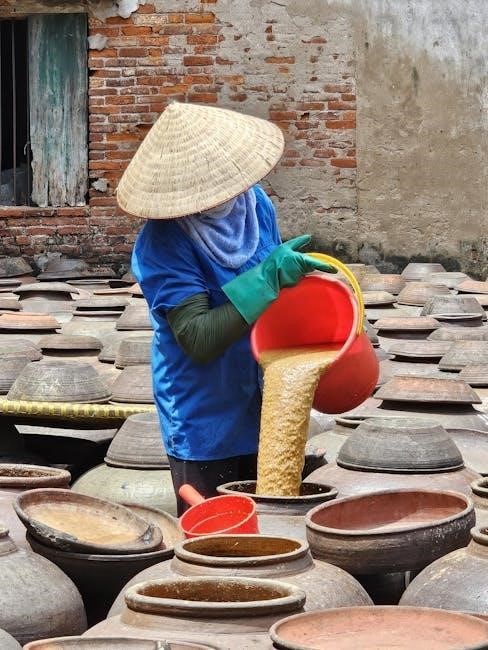
Common dye sources include plants like marigolds, onion skins, and berries, as well as minerals and even insects․ The process involves simmering fabric with the dye material, creating a unique and often unpredictable palette․ Mordants, like alum, are used to help the dye bind to the fibers, ensuring colorfastness․
Natural dyeing yields subtle, earthy tones, each piece possessing a unique character․ It’s a slower, more mindful process than using commercial dyes, fostering a deeper appreciation for the origins of our clothing and textiles․ Embrace the imperfections and celebrate the beauty of nature’s artistry․

Outdoor & Self-Reliance Skills
Essential for thriving independently, these skills encompass fire starting, foraging for edible plants, and basic first aid․ Mastering these techniques builds confidence and resilience,
allowing you to navigate and utilize the natural world effectively․
Fire Starting: Mastering Primitive Techniques
Beyond matches and lighters, the ability to create fire using primitive methods is a cornerstone of self-reliance․ This skill demands patience, practice, and a deep understanding of available materials․ Friction-based methods, like the bow drill or hand drill, require significant effort but offer a profound connection to ancestral knowledge․
Gathering appropriate tinder – dry grasses, birch bark, or bird nests – is crucial, as is preparing kindling to gradually build the flame․ Understanding wood types and their flammability is also essential․ Successfully igniting a fire without modern conveniences instills a sense of accomplishment and provides warmth, light, and a means for cooking and protection․
It’s a skill that transcends mere survival; it’s about reconnecting with the fundamental elements and honoring the ingenuity of those who came before us․ Practice regularly, and always prioritize safety when working with fire․
Foraging: Identifying Edible Wild Plants
Connecting with the land through foraging offers a sustainable way to supplement your food supply and deepen your understanding of the natural world․ However, absolute certainty in plant identification is paramount; misidentification can have serious consequences․ Begin with a knowledgeable guide or reliable field guides specific to your region․
Focus on learning a few easily identifiable plants thoroughly before expanding your repertoire․ Common edibles include dandelions, plantain, and berries, but always double-check against multiple sources․ Respect private property and practice sustainable harvesting – never take more than you need, and leave enough for the plant to regenerate․
Foraging isn’t just about food; it’s about understanding ecosystems and appreciating the bounty of nature․ It’s a skill that requires humility, respect, and a commitment to lifelong learning․
Basic First Aid: Treating Common Injuries
Self-reliance extends to healthcare, and mastering basic first aid is an invaluable skill․ A well-stocked first aid kit is essential, but knowledge is even more crucial․ Learn to treat common injuries like cuts, burns, sprains, and insect bites effectively․
Understanding how to stop bleeding, clean wounds, and create improvised splints can make a significant difference in emergency situations․ Familiarize yourself with recognizing signs of shock and how to provide initial support․ Consider taking a wilderness first aid course for more in-depth training․
While not a replacement for professional medical care, basic first aid empowers you to handle minor emergencies confidently and potentially stabilize a situation until help arrives․ It’s a skill that benefits not only yourself but also your family and community․
Animal Processing: Butchering and Skinning
For true self-sufficiency, understanding how to process animals for food is a critical, though challenging, skill․ This encompasses humane harvesting, butchering, and preserving the meat․ It’s a deeply personal skill, requiring respect for the animal and a commitment to responsible practices․
Many find the act of taking a life difficult, acknowledging the emotional weight involved․ However, it’s a necessary step in a self-sustaining lifestyle, ensuring a food source․ Learning proper techniques minimizes suffering and maximizes the yield․
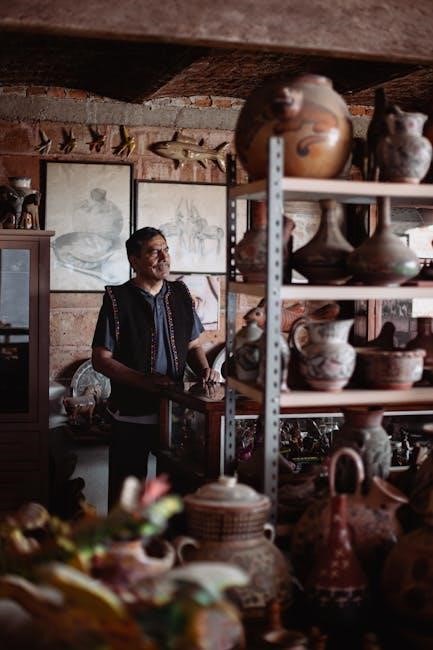
Skinning provides hides for leatherworking, further reducing waste․ Resources and mentorship are vital for beginners, ensuring safety and ethical handling․ While daunting, mastering this skill offers a profound connection to your food source and a greater degree of independence․

Skill Sharing & Community
Passing down ancestral knowledge is paramount for preserving these vital skills․ Finding mentors and resources, like Homestead․org, fosters learning․ Community support strengthens self-sufficiency,
ensuring these traditions thrive for future generations․
Finding Resources and Mentors
Embarking on a journey to learn traditional skills often feels daunting, but numerous resources exist to guide and support you․ Online platforms, like Homestead․org, offer a wealth of information, articles, and connections to a thriving community of homesteaders and practitioners․
Local workshops and classes provide hands-on experience and personalized instruction․ Community colleges and agricultural extension offices frequently offer courses in canning, gardening, and basic carpentry․
Seeking out mentors – individuals skilled in the craft you wish to learn – is invaluable․ Local farmers, artisans, and experienced homesteaders can share their knowledge and provide guidance․ Don’t hesitate to reach out and ask questions; most are eager to share their passion․
Libraries are treasure troves of information, housing books on everything from bread baking to soap making․ Online forums and social media groups dedicated to traditional skills offer a space to connect with others, exchange ideas, and seek advice․ Remember, learning is a collaborative process, and the support of a community can make all the difference․
The Importance of Passing Down Knowledge
The revival of traditional skills isn’t simply about individual self-sufficiency; it’s about preserving a cultural heritage and ensuring future generations have access to vital knowledge․ These skills represent a connection to our ancestors, a tangible link to a time when resourcefulness and self-reliance were essential for survival․
By actively learning and practicing these crafts, we become custodians of this knowledge, responsible for passing it on to others․ Teaching children and young adults fosters a sense of empowerment, resilience, and appreciation for the natural world․
Sharing skills within communities strengthens social bonds and creates a network of support․ Workshops, apprenticeships, and informal gatherings provide opportunities for knowledge transfer and collaborative learning․ In a world facing increasing uncertainty, the ability to adapt, innovate, and rely on ourselves and our communities is more critical than ever․
Passing down these skills is an act of hope, a commitment to building a more sustainable and resilient future for all․
Homesteading and Self-Sufficiency Communities
A growing number of individuals and families are embracing the homesteading lifestyle, seeking greater independence and a closer connection to the land․ These communities represent a powerful movement towards self-sufficiency, resilience, and sustainable living․ Homesteads vary greatly in size and scope, from small urban gardens to expansive rural properties․
However, they all share a common thread: a commitment to producing their own food, energy, and resources․ Joining or creating a self-sufficiency community offers numerous benefits, including shared knowledge, mutual support, and access to resources․
These communities often host workshops and skill-sharing events, providing opportunities to learn from experienced homesteaders․ They also foster a sense of belonging and purpose, connecting individuals with like-minded people․ In a world that can often feel isolating, these communities offer a welcoming and supportive environment for those seeking a more meaningful way of life․
Ultimately, homesteading and self-sufficiency communities are building a more resilient and sustainable future, one skill and one connection at a time;