
Cat in the Rain: A Comprehensive Overview (as of 12/25/2025)
Domestic cats, Felis catus, have captivated humans for 9,500+ years, becoming beloved pets․ Their adaptable nature and diverse breeds – at least 45 recognized – offer choices for every lifestyle․
Understanding feline behavior, from sleep patterns to hunting adaptations, enhances the human-animal bond․ Resources like the Cat Fanciers Association provide breed-specific insights․
Adoption programs connect cats with loving homes, while exploring their cognitive abilities and sensory perception deepens our appreciation for these fascinating creatures․
The domestic cat, scientifically known as Felis catus, occupies a unique position in the animal kingdom and within human society․ Belonging to the Felidae family – a diverse group encompassing lions, tigers, and leopards – the cat has evolved alongside humans for millennia, transitioning from a valued hunter to a cherished companion․

Currently, December 25th, 2025, cats remain one of the most popular pet choices globally․ Their appeal stems from a combination of factors: their independent nature, playful demeanor, and inherent grace․ However, beneath the surface of these endearing qualities lies a complex creature with sophisticated sensory abilities and finely tuned hunting adaptations․
The relationship between cats and humans is a long and fascinating one, stretching back at least 9,500 years․ This enduring connection has resulted in a remarkable diversity of cat breeds, each possessing unique characteristics in terms of coat, tail, and temperament․ Organizations like the Cat Fanciers Association (CFA) play a crucial role in establishing and maintaining breed standards, ensuring the preservation of these distinct feline lineages․ Understanding the fundamental aspects of Felis catus is the first step towards appreciating the depth and complexity of these remarkable animals․
II․ Historical Relationship Between Cats and Humans
The bond between humans and cats is ancient, evolving over at least 9,500 years․ Initially, the relationship wasn’t one of companionship, but of mutual benefit․ Early agricultural societies in the Near East attracted wildcats – ancestors of today’s Felis catus – due to rodent populations thriving in grain stores․ Cats, naturally adept hunters, controlled these pests, earning them a valued role․
Evidence suggests that Egyptians held cats in particularly high esteem, even revering them as deities․ They were associated with protection, fertility, and grace, and were often mummified alongside their owners․ This reverence spread through trade routes, gradually introducing cats to other cultures․
Throughout history, perceptions of cats have fluctuated․ Periods of adoration were interspersed with times of fear and superstition․ Despite these shifts, cats consistently remained near human settlements, fulfilling their role as pest control․ The transition from working animal to beloved pet was a gradual process, influenced by changing societal values and a growing appreciation for their unique qualities․ Today, cats are integral members of countless families, a testament to the enduring power of this interspecies connection․
III․ Domestication Timeline: 9,500 Years and Beyond
The domestication of the cat, Felis catus, wasn’t a singular event, but a prolonged process spanning millennia․ Archaeological evidence points to the earliest stages around 9,500 years ago in the Near East, coinciding with the rise of agriculture․ Wildcats were initially attracted to human settlements by rodent populations, initiating a commensal relationship – benefiting from human activity without being actively domesticated․
Around 4,000 years ago, the relationship deepened in Egypt, where cats were not only tolerated but actively venerated․ This period saw the beginnings of selective breeding, favoring traits like tameness and desirable coat patterns․ From Egypt, cats spread along trade routes to Europe and Asia, gradually integrating into different cultures․
The Middle Ages saw a fluctuating status for cats in Europe, with periods of persecution fueled by superstition․ However, their value as pest control ultimately ensured their survival․ Modern breed development, formalized in the 19th and 20th centuries, has resulted in the diverse array of cat breeds we know today, showcasing the lasting impact of human influence on feline evolution․
IV․ Physical Characteristics of Domestic Cats
Domestic cats, Felis catus, exhibit a remarkable range of physical traits, though certain characteristics are universally present․ Their bodies are powerfully built, designed for agility and predation․ An average cat weighs between 8 and 11 pounds, though this varies significantly by breed and individual․
A defining feature is their retractable claws, kept sharp for hunting and climbing, and sheathed to allow silent movement․ Their skeletal structure is incredibly flexible, enabling a wide range of motion and contortion․ Cats possess long tails, aiding in balance, though tail length varies considerably․
Their specialized teeth are perfectly adapted for tearing meat, while their rough tongues assist in grooming and scraping flesh from bones․ Acute senses, including exceptional night vision and a keen sense of smell, further enhance their predatory capabilities․ Coat color and texture are incredibly diverse, ranging from short, sleek fur to long, fluffy coats, showcasing the genetic variation within the species․
V․ Retractable Claws and Hunting Adaptations
Retractable claws are a hallmark of the Felidae family, providing a significant advantage in both hunting and locomotion for domestic cats․ These claws, normally sheathed within protective skin, are extended for gripping, climbing, and, crucially, capturing prey․ This mechanism keeps the claws razor-sharp, unlike dogs’ claws which are constantly worn down by contact with surfaces․
Beyond the claws, cats possess powerful bodies built for bursts of speed and agility․ Their flexible spines allow for an extended stride length, maximizing efficiency during the chase․ Specialized teeth, including prominent canines, are designed for delivering a fatal bite and tearing flesh․

Their hunting adaptations aren’t solely physical; acute senses play a vital role․ Exceptional low-light vision and sensitive hearing allow cats to detect prey even in darkness․ The ability to remain virtually silent while stalking further enhances their hunting success, making them formidable predators despite their relatively small size․
VI․ Sensory Abilities: Acute Senses of Cats
Domestic cats possess remarkably acute senses, far exceeding human capabilities in several key areas․ Their vision, while differing from ours, is exceptionally adept at detecting motion, crucial for spotting prey, even in dim light․ While not seeing colors as vividly, cats excel in peripheral vision and night vision due to a reflective layer called the tapetum lucidum․
Hearing is another area of feline superiority․ Cats can detect a much wider range of frequencies than humans, including ultrasonic sounds, allowing them to pinpoint the location of small animals․ Their independently rotating ears further enhance sound localization․
Furthermore, a cat’s sense of smell is estimated to be 14 times stronger than a human’s, aiding in prey detection, territory marking, and social communication․ They also possess vomeronasal organs, allowing them to “taste” scents via pheromones․ These combined sensory abilities make cats highly attuned to their environment, contributing to their success as predators and their unique interaction with the world․
VII․ Cat Breeds: Diversity and Classification
Domestic cats exhibit astonishing diversity, resulting in at least 45 recognized breeds worldwide․ This variation stems from both natural selection and selective breeding by humans, leading to a wide array of physical characteristics and temperaments․
Classification of cat breeds is primarily managed by organizations like the Cat Fanciers Association (CFA), which establishes breed standards and registration procedures․ Breeds are often categorized based on coat length (longhair, shorthair, medium hair), body type (cobby, slender, muscular), and origin․
Examples include the Persian, known for its luxurious long coat and docile nature; the Maine Coon, a large, gentle giant; and the Siamese, recognized for its striking colorpoint pattern and vocal personality․ Each breed possesses unique traits, influencing grooming needs, activity levels, and potential health concerns․ Understanding these differences is crucial when selecting a feline companion to ensure a harmonious match with one’s lifestyle․
VIII․ Cat Fanciers Association (CFA) Breed Standards
The Cat Fanciers Association (CFA), founded in 1906, is a prominent registry of pedigreed cats and a leading authority on breed standards․ These standards are meticulously defined guidelines outlining the ideal characteristics for each recognized breed, encompassing physical traits and temperament․
Breed standards detail specifics such as coat color, pattern, eye color, body shape, head structure, and ear set․ Judges at CFA-sanctioned cat shows evaluate cats against these standards, awarding points based on how closely they conform to the breed’s ideal․
The CFA’s standards aren’t merely aesthetic; they also aim to preserve the health and genetic integrity of each breed․ Breeders adhering to these standards contribute to maintaining breed-specific qualities and minimizing hereditary health issues․ Regular revisions to the standards occur as needed, reflecting evolving understanding of feline genetics and breed characteristics․ Detailed information on each breed’s standard is publicly available on the CFA website․
IX․ Common Cat Breed Characteristics (Coat, Tail, Temperament)
Coat variations among cat breeds are extensive, ranging from short and sleek to long and luxurious, and encompassing a spectrum of colors and patterns․ Tail length and shape also differ significantly – some breeds boast long, flowing tails, while others have short, bobbed tails or even no visible tail at all․
Temperament, however, is arguably the most crucial characteristic․ Breeds like the Persian are known for their docile and affectionate nature, while Bengals are energetic and playful․ Maine Coons are often described as “gentle giants,” and Siamese cats are renowned for their vocal and demanding personalities․
These traits aren’t absolute; individual cats within a breed can exhibit variations․ However, understanding general breed tendencies can aid prospective owners in selecting a feline companion whose personality aligns with their lifestyle․ Factors like activity level, sociability, and independence are key considerations․
Ultimately, a cat’s individual personality is shaped by genetics, early socialization, and life experiences․
X․ Cat Behavior: Understanding Feline Actions
Feline behavior is a complex interplay of instinct, learning, and individual personality․ Many actions stem from their predatory ancestry, even in well-fed domestic cats․ Hunting behaviors, like stalking and pouncing, are often redirected towards toys․ Scratching isn’t merely destructive; it’s a natural way to sharpen claws, stretch muscles, and mark territory․
Vocalization – meows, purrs, hisses – serves various communicative purposes․ Purring often indicates contentment, but can also be a self-soothing mechanism․ Cats also communicate through body language: ear position, tail movements, and facial expressions convey a wealth of information․
Understanding these nuances is crucial for a harmonious relationship․ Cats are often described as independent, but they also crave social interaction and affection․ Providing environmental enrichment, such as scratching posts and interactive toys, can prevent behavioral problems․
Observing and interpreting feline actions fosters a deeper connection and strengthens the bond between cat and owner․
XI․ Sleep Patterns and Sunbeam Preference
Cats are renowned for their extensive sleep schedules, averaging 12-16 hours per day․ This isn’t laziness, but a biological necessity rooted in their evolutionary history as crepuscular hunters – most active during dawn and dusk․ Sleep conserves energy for bursts of activity․ Their sleep cycles involve periods of light and deep sleep, punctuated by alertness․
The seemingly universal feline fascination with sunbeams isn’t merely about warmth․ Sunlight provides Vitamin D, essential for overall health․ More importantly, basking in the sun is deeply relaxing and comforting for cats․ It’s a sensory experience they actively seek out․
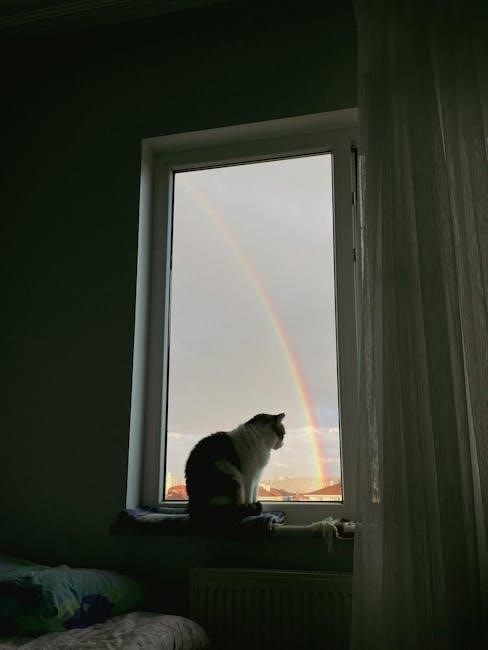
Cats strategically choose sleeping locations based on temperature, safety, and comfort․ Elevated spots offer a sense of security and a vantage point for observing their surroundings․ A warm, sunny windowsill is the ideal combination of these factors․
Respecting a cat’s need for undisturbed sleep is vital for their well-being and contributes to a peaceful household․
XII․ Cat Intelligence and Cognitive Abilities
Cat intelligence is often underestimated, yet felines demonstrate remarkable cognitive abilities․ While different from human intelligence, cats excel in areas crucial for survival – problem-solving, memory, and learning․ They possess excellent spatial memory, remembering locations of food, water, and safe resting spots․
Cats learn through observation and association․ They can be trained using positive reinforcement, though their independent nature requires patience․ Puzzle toys that require manipulation to access treats stimulate their minds and prevent boredom․
Research suggests cats recognize their owners’ voices and respond to their names․ They also exhibit emotional intelligence, displaying empathy and seeking comfort when their humans are distressed․
Their ability to adapt to new environments and learn routines further highlights their cognitive flexibility․ Understanding feline intelligence fosters a deeper appreciation for these complex and captivating companions․
XIII․ How Cats See the World: Feline Vision
Feline vision differs significantly from human perception, adapted for their crepuscular hunting lifestyle․ Cats possess a wider field of view – approximately 200 degrees compared to our 180 – enhancing their peripheral awareness․ However, their visual acuity is lower, meaning objects appear less sharp․
Cats excel in low-light conditions due to a higher concentration of rod cells in their retinas․ A tapetum lucidum, a reflective layer behind the retina, amplifies available light, causing the characteristic “eye shine;” This adaptation aids nocturnal hunting;
Color perception is limited; cats see primarily in shades of blue and yellow, with reduced sensitivity to red and green․ Their depth perception, while good, isn’t as refined as ours․
Motion detection is exceptional, crucial for tracking prey․ This specialized vision allows cats to navigate and hunt effectively, even in dim environments, shaping their interaction with the world around them․
XIV․ The Role of Cats as Pets: Why We Keep Them
Cats have held a unique position in human society for over 9,500 years, evolving from valued pest control to cherished companions․ Their independent nature, combined with affectionate displays, appeals to diverse lifestyles․ The ease of care, compared to some other pets, contributes to their popularity․
Beyond practicality, cats offer emotional support and reduce stress․ Their purring is often cited as therapeutic, and their playful antics provide entertainment․ The human-animal bond formed with cats is deeply rewarding, fostering a sense of connection and well-being․
The internet’s fascination with cats – memes, videos, and online communities – demonstrates their cultural significance․
Adoption programs further solidify their role as family members, offering a second chance to countless felines․ Ultimately, we keep cats because they enrich our lives with their unique personalities and unwavering companionship․
XV․ Cat Welfare and Adoption Programs
Cat welfare is a growing concern, with numerous organizations dedicated to improving the lives of felines․ Overpopulation leads to many cats entering shelters, highlighting the critical need for responsible pet ownership and spay/neuter initiatives․
Adoption programs play a vital role in finding permanent, loving homes for these animals․ These programs often include thorough health checks, vaccinations, and behavioral assessments to ensure a good match between cat and adopter․
Innovative approaches, like fostering programs, allow potential adopters to experience life with a cat in a comfortable, natural environment․ This helps assess personality and compatibility before making a long-term commitment․
Furthermore, these programs often provide support and resources to new cat owners, promoting successful adoptions and reducing the likelihood of returns․ Supporting these initiatives is crucial for ensuring the well-being of cats and reducing the strain on animal shelters․
XVI․ Finding the Ideal Feline Companion
Selecting a cat is a significant decision, requiring careful consideration of lifestyle and preferences․ With at least 45 recognized breeds, each possessing unique temperament, coat characteristics, and tail variations, research is paramount․
Consider your activity level․ A playful breed might suit an active household, while a more docile cat may thrive in a quieter environment․ Grooming needs also vary significantly; long-haired breeds require regular brushing to prevent matting․
Adoption is a wonderful option, offering a second chance to a deserving cat․ Shelters and rescue organizations can provide valuable insights into a cat’s personality and history․
Resources like the Cat Fanciers Association (CFA) offer detailed breed standards, aiding informed decision-making․ Ultimately, the ideal feline companion is one whose needs align with your ability to provide a loving and enriching home․
XVII․ The Cat Family (Felidae): A Broader Perspective
The domestic cat, Felis catus, belongs to the Felidae family, a diverse group of carnivorous mammals․ This family encompasses iconic species like lions, tigers, leopards, jaguars, cheetahs, and smaller wildcats․
All members of Felidae share common characteristics: retractable claws, powerful bodies, and acute sensory abilities honed for predation․ They are generally solitary and often nocturnal hunters, though social behaviors vary between species․
Tracing the evolutionary history of Felidae reveals a fascinating journey from ancient ancestors to the modern cats we know today․ Their success as predators is attributed to specialized teeth and exceptional agility․
Understanding the broader context of the cat family highlights the remarkable adaptability and evolutionary resilience of these creatures․ From the African savanna to our living rooms, felines continue to captivate and inspire awe․