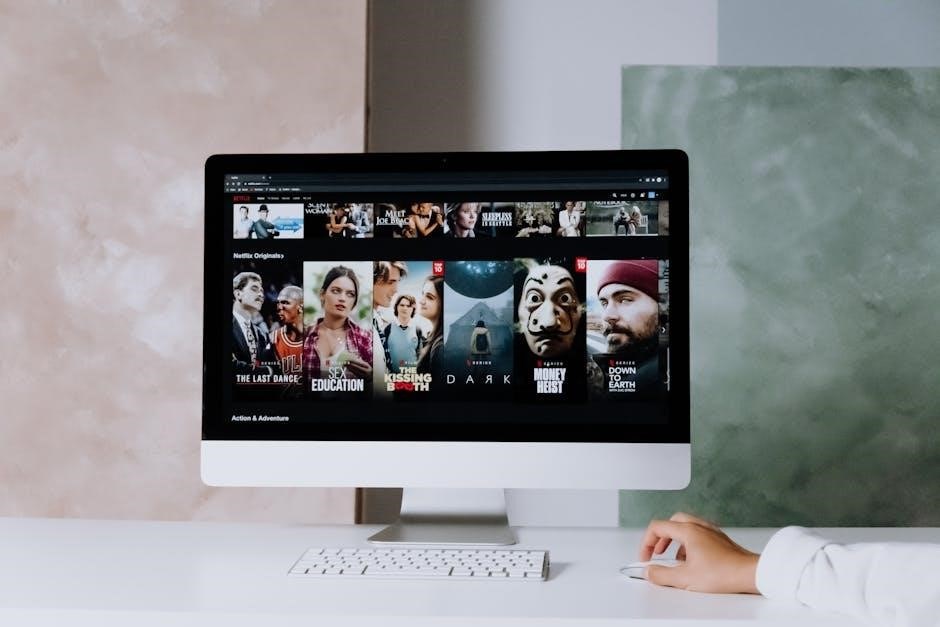
Binge-Watching Live Channels: A Comprehensive TV Guide for 2026

As of today‚ 04/09/2026‚ the streaming landscape is evolving‚ with FAST services gaining traction alongside giants like Netflix‚ offering a diverse range of live channels․
The Rise of FAST (Free Ad-Supported Streaming TV)
FAST (Free Ad-Supported Streaming TV) is experiencing remarkable growth in 2026‚ becoming a significant force within the streaming market․ While subscription services like Netflix and Amazon Prime Video maintain large subscriber bases‚ FAST platforms are attracting viewers seeking cost-effective entertainment options․ This surge is driven by a desire for live content and a wider variety of programming beyond on-demand libraries․
The appeal of FAST lies in its accessibility – it’s free to watch‚ supported by advertisements․ This model resonates with cord-cutters and those looking to supplement their existing streaming subscriptions․ Platforms like The Roku Channel are consistently adding new free content‚ demonstrating a commitment to expanding their offerings and attracting a broader audience․ This trend indicates a fundamental shift in how people consume television‚ blending the convenience of streaming with the immediacy of live channels․
Reporters like Craig from Pocket-lint and Chethan at Android Police are closely monitoring these changes‚ highlighting the dynamic nature of the streaming ecosystem․
Cord-Cutting and the Shift to Streaming
The late 2010s marked a pivotal moment in television consumption‚ as high-speed internet became widely accessible‚ fueling the rise of cord-cutting․ Traditionally‚ cable TV was the primary source for live news‚ sports‚ and entertainment․ However‚ streaming services offered a compelling alternative – greater flexibility‚ on-demand content‚ and often‚ lower costs․
This shift wasn’t simply about abandoning cable; it was about embracing a new way to watch TV․ Viewers began to favor the convenience of streaming‚ but the desire for live viewing didn’t disappear․ This created a demand for live TV streaming services‚ bridging the gap between traditional cable and on-demand platforms․
Reporters like Craig recognize this evolution‚ noting that even with the popularity of on-demand options‚ live TV still holds a significant place in the streaming era․ The transition continues‚ reshaping the television landscape and empowering viewers with more choices․
Live TV Streaming Services: An Overview
The demand for live content‚ despite the rise of on-demand streaming‚ has spurred a proliferation of live TV streaming services․ These platforms aim to replicate the traditional cable experience‚ offering a curated selection of channels accessible over the internet․ Unlike traditional cable‚ these services generally don’t require long-term contracts or expensive equipment․
Several key players dominate this space‚ each with its unique strengths and weaknesses․ Services like YouTube TV‚ Hulu + Live TV‚ and Sling TV provide diverse channel lineups and features‚ catering to a wide range of viewing preferences․ Roku also contributes significantly‚ offering free live TV options through The Roku Channel․

These services are constantly evolving‚ adding new channels and features to attract and retain subscribers․ They represent a significant shift in how people consume live television‚ offering a flexible and often more affordable alternative to traditional cable․
Popular Live TV Streaming Providers in 2026
The live TV streaming market in 2026 is characterized by several prominent providers‚ each vying for viewership with distinct offerings․ YouTube TV remains a strong contender‚ known for its comprehensive channel lineup and robust DVR capabilities․ Hulu + Live TV appeals to those seeking a bundled experience‚ combining live channels with Hulu’s extensive on-demand library․
Sling TV continues to attract budget-conscious viewers with its customizable packages and affordable pricing tiers; Beyond these‚ Roku Channel’s expansion into free live TV provides a compelling option for casual viewers․ These platforms aren’t static; they continually adjust channel lineups and features․
Competition is fierce‚ driving innovation and ultimately benefiting consumers with more choices and competitive pricing․ Staying informed about each provider’s strengths is crucial for selecting the best fit․
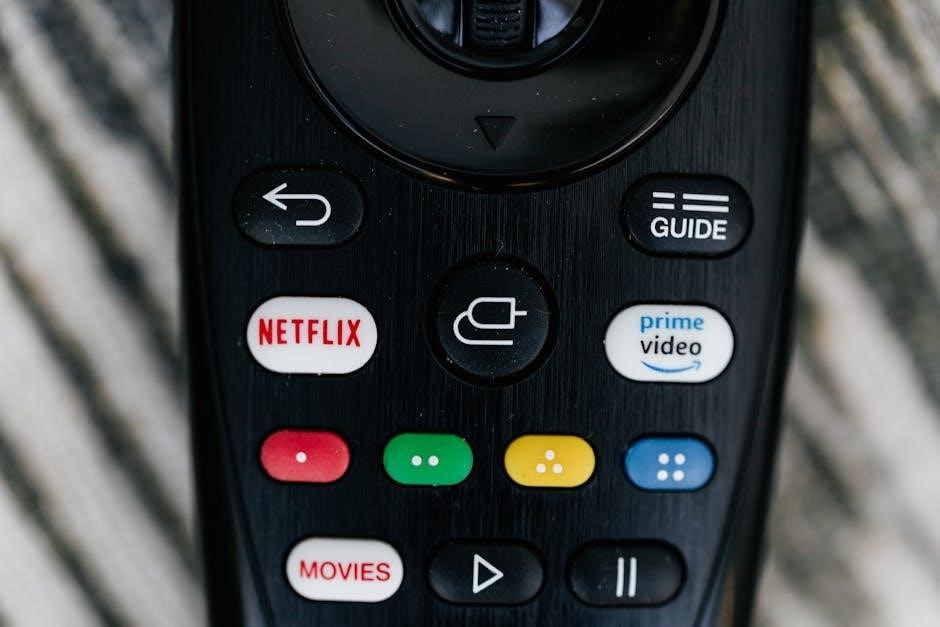
YouTube TV: Features and Channel Lineup
As of 2026‚ YouTube TV stands as a leading live TV streaming service‚ celebrated for its user-friendly interface and extensive channel selection․ Its core package typically includes major broadcast networks – ABC‚ CBS‚ NBC‚ and Fox – alongside popular cable channels like ESPN‚ CNN‚ and HGTV․ A significant draw is its unlimited cloud DVR storage‚ allowing users to record and rewatch programs at their convenience․
YouTube TV supports simultaneous streams‚ catering to households with multiple viewers․ Family sharing options further enhance its value․ The platform’s integration with the broader YouTube ecosystem is a plus‚ offering seamless access to YouTube’s vast content library․

Regular updates and feature additions demonstrate YouTube TV’s commitment to improving the viewing experience‚ solidifying its position in the competitive streaming landscape․
Hulu + Live TV: Bundling and Content Variety

In 2026‚ Hulu + Live TV distinguishes itself through its unique bundling options‚ combining live television access with Hulu’s extensive on-demand library‚ including original series and a vast movie collection․ This combination provides exceptional value for cord-cutters seeking both live and on-demand entertainment․
The channel lineup mirrors many competitors‚ featuring major broadcast networks and popular cable channels․ However‚ Hulu’s strength lies in its content diversity․ Subscribers gain access to FX on Hulu‚ offering exclusive shows‚ and the option to add premium channels like HBO Max and Showtime․
Hulu + Live TV also offers a cloud DVR‚ though storage limits may vary depending on the plan․ Its interface is generally intuitive‚ and the platform continues to refine its features based on user feedback‚ making it a strong contender in the streaming market․
Sling TV: Affordable Options and Customization
As of 2026‚ Sling TV remains a compelling option for budget-conscious viewers seeking live TV streaming․ It differentiates itself through its tiered packages – Sling Orange and Sling Blue – allowing subscribers to customize their channel lineups and costs․ This flexibility is a significant advantage over more comprehensive‚ and expensive‚ services․
Sling Orange focuses on sports and family programming‚ while Sling Blue emphasizes news and entertainment․ Subscribers can also add extra channel packages to tailor their experience further․ While the base packages offer fewer channels than competitors‚ the lower price point makes it attractive․

Sling TV’s interface has improved over the years‚ and it offers a cloud DVR for recording live events․ However‚ it’s important to note that DVR storage and simultaneous streams may be limited depending on the chosen plan․

Roku Channel and Free Live TV Options
In 2026‚ The Roku Channel has firmly established itself as a major player in the free‚ ad-supported streaming landscape‚ offering a surprisingly robust selection of live TV options․ Beyond on-demand content‚ Roku consistently expands its live TV offerings‚ adding new channels and programming regularly – just last month‚ significant additions were made․
These free live channels cover a diverse range of genres‚ including news‚ sports‚ entertainment‚ and lifestyle․ While the channel selection isn’t as extensive as paid streaming services‚ it provides a viable alternative for casual viewers or those looking to supplement their existing subscriptions․
Roku’s strength lies in its accessibility; it’s pre-installed on many smart TVs and available as a streaming device․ This ease of access‚ combined with the free content‚ makes it a popular choice for cord-cutters and those seeking affordable entertainment․
Channel Surfer: Recreating the Retro Cable TV Experience
For those yearning for the days of endless channel surfing‚ a unique web app called Channel Surfer has emerged․ Developed by Steven Irby‚ this platform ingeniously transforms YouTube into a nostalgic‚ retro cable TV guide experience․ It’s a clever solution for those missing the serendipitous discovery of content that defined pre-streaming television․
Channel Surfer currently features around 40 curated channels‚ each dedicated to a specific theme or genre․ These aren’t traditional broadcast channels‚ but rather carefully selected YouTube playlists designed to mimic the feel of classic cable programming․ The interface intentionally replicates the look and feel of old TV guides‚ complete with channel numbers and program listings․
It’s a fun and surprisingly engaging way to consume YouTube content‚ offering a break from algorithm-driven recommendations and a return to the simple pleasure of flipping through channels․
Navigating Live TV Guides on Streaming Platforms
Despite the shift to on-demand viewing‚ live TV guides remain crucial for streaming services․ Most providers‚ like YouTube TV and Hulu + Live TV‚ offer guide functionality mirroring traditional cable‚ allowing users to browse channels and scheduled programming․ However‚ these guides often differ in layout and features․
Generally‚ you can access the guide through a dedicated “Guide” button or section within the streaming app․ Navigation typically involves scrolling through channels and time slots․ Many platforms now integrate program information‚ offering brief descriptions and the ability to set reminders․
Effectively using these guides requires understanding each platform’s specific interface․ Some prioritize simplicity‚ while others offer advanced filtering options․ Familiarizing yourself with these tools is key to maximizing your live TV streaming experience and discovering hidden content․
The Importance of Channel Lineups
Channel lineups are paramount when selecting a live TV streaming service․ While on-demand libraries offer choice‚ live TV relies heavily on access to desired networks․ Providers like YouTube TV‚ Hulu + Live TV‚ and Sling TV differentiate themselves through their channel packages․
Consider your viewing habits․ Sports enthusiasts will prioritize ESPN‚ regional sports networks‚ and dedicated sports channels․ News consumers need access to CNN‚ MSNBC‚ Fox News‚ and local affiliates․ Family entertainment demands Disney Channel‚ Nickelodeon‚ and Cartoon Network․
Carefully compare lineups before subscribing․ Services offer varying tiers‚ with more expensive plans including premium channels like HBO and Showtime․ Don’t assume all providers carry the same channels; research is crucial to ensure your favorites are included․
Sports Streaming: Catching Live Games
Live sports remain a key driver for live TV streaming․ Cord-cutting no longer means missing out on crucial games; numerous services now offer comprehensive sports coverage․ However‚ navigating regional sports networks (RSNs) can be complex․
YouTube TV and Hulu + Live TV generally provide broad sports access‚ including ESPN‚ Fox Sports‚ and NBC Sports․ Sling TV offers more affordable options‚ but may require add-on packages for specific RSNs․ Availability varies by location‚ so confirm your local teams are covered․
Consider blackout restrictions‚ a common issue with MLB‚ NBA‚ and NHL games․ Streaming services typically adhere to these rules․ DVR capabilities are essential for recording games and avoiding spoilers․ Staying informed about channel lineups is vital for sports fans․
News Streaming: Staying Informed in Real-Time

For real-time news consumption‚ live TV streaming offers a compelling alternative to traditional cable․ Services like YouTube TV‚ Hulu + Live TV‚ and Sling TV carry major news networks such as CNN‚ MSNBC‚ Fox News‚ and BBC World News‚ providing 24/7 coverage․
The shift to streaming mirrors the broader trend of cord-cutting‚ as high-speed internet access becomes ubiquitous․ This allows viewers to stay updated on world events without being tethered to a cable box․ Local news access is also improving‚ though availability can vary․
Utilizing TV guide apps and websites helps navigate breaking news coverage across different channels․ DVR features enable recording of news programs for later viewing․ Staying informed has never been more accessible or convenient․
Local Channels and Regional Sports Networks
Accessing local channels and regional sports networks (RSNs) remains a key consideration for live TV streaming subscribers․ While major providers increasingly include these channels‚ availability varies significantly by location․
YouTube TV‚ Hulu + Live TV‚ and Sling TV offer local affiliates for networks like ABC‚ CBS‚ NBC‚ and Fox in many markets․ However‚ RSNs‚ which broadcast local sports teams‚ often require specific packages or add-ons‚ and coverage isn’t universal․
The Roku Channel also provides some local news and programming․ Checking channel lineups before subscribing is crucial‚ especially for avid sports fans․ Streaming services are continually working to expand local content offerings‚ but gaps still exist compared to traditional cable․
Using TV Guide Apps and Websites
Navigating the world of live streaming requires effective tools for discovering what’s on․ Thankfully‚ numerous TV guide apps and websites are available to help viewers plan their binge-watching sessions․
Many streaming services‚ like YouTube TV and Hulu + Live TV‚ have integrated guides within their platforms․ However‚ third-party options offer broader coverage across multiple services․ Websites provide comprehensive listings‚ allowing users to search by channel‚ time‚ or program․
These resources often include descriptions‚ ratings‚ and even links to watch directly․ Channel Surfer‚ a web app recreating a retro cable experience‚ offers a unique browsing method․ Utilizing these tools maximizes the enjoyment of live TV streaming‚ ensuring you never miss a favorite show or event․

Troubleshooting Common Live TV Streaming Issues
Even with advancements‚ live TV streaming isn’t always seamless․ Buffering‚ pixelation‚ and error messages are common frustrations․ Optimizing your internet speed is crucial; streaming demands a stable connection․
If experiencing issues‚ first restart your streaming device and router․ Check your internet speed to ensure it meets the service’s requirements․ Many providers offer troubleshooting guides on their websites․ Common problems include network congestion‚ outdated apps‚ or device compatibility issues․
Clearing the cache of your streaming app can also resolve glitches․ If problems persist‚ contact your provider’s customer support for assistance․ Remember‚ a reliable internet connection is the foundation for a smooth binge-watching experience․
The Future of Live TV Streaming
The streaming market is rapidly changing‚ but live TV isn’t disappearing․ Expect further integration of FAST (Free Ad-Supported Streaming TV) services‚ offering more free live content options alongside subscription-based platforms․
Personalization will become key‚ with AI-powered recommendations tailoring channel lineups and content suggestions․ Interactive features‚ like live polls and social viewing experiences‚ could enhance engagement․ We might also see more bundling options‚ combining live TV with other streaming services․
Innovations like Channel Surfer demonstrate a desire to recreate the nostalgic cable TV experience digitally․ Ultimately‚ the future of live TV streaming hinges on providing a convenient‚ affordable‚ and personalized viewing experience․
Comparing Costs: Streaming vs․ Traditional Cable
Historically‚ cable TV was the dominant force‚ but high costs drove many to “cut the cord․” In 2026‚ live TV streaming services generally offer significant savings compared to traditional cable packages․
While cable often includes hidden fees and expensive equipment rentals‚ streaming services typically have predictable monthly costs․ However‚ the total cost of streaming can add up if you subscribe to multiple services to access all desired channels․
FAST services provide a compelling‚ free alternative‚ supported by advertising․ Ultimately‚ the most cost-effective option depends on individual viewing habits and channel preferences․ Careful comparison of channel lineups and pricing is crucial․
Maximizing Your Live TV Streaming Experience
To fully enjoy live TV streaming in 2026‚ optimizing your setup is key․ A stable‚ high-speed internet connection is paramount; buffering disrupts the live viewing experience․ Regularly check your internet speed and consider upgrading your plan if necessary․
Leverage the DVR features offered by most streaming services to record live events and shows for later viewing․ Explore platform-specific features‚ like customized channel guides and personalized recommendations․
Furthermore‚ consider utilizing TV guide apps and websites to efficiently navigate channel lineups and discover new content․ Remember‚ services like Roku consistently add new free content‚ enhancing your overall streaming options․
Optimizing Internet Speed for Streaming
A seamless live TV streaming experience in 2026 hinges on a robust internet connection․ Buffering and lag are common frustrations‚ directly tied to insufficient bandwidth․ Aim for a minimum download speed of 25 Mbps for a single stream‚ increasing with multiple viewers or 4K content․
Regularly test your internet speed using online tools to verify performance․ Consider a wired Ethernet connection over Wi-Fi for greater stability and reduced interference․ Close unnecessary applications and devices consuming bandwidth during peak streaming times․
If consistent speed issues persist‚ contact your internet service provider to explore upgrade options or troubleshoot potential network problems․ Prioritizing bandwidth ensures uninterrupted enjoyment of live channels․
Using DVR Features for Live TV
Despite the rise of on-demand content‚ the Digital Video Recorder (DVR) remains a vital feature for live TV streaming in 2026․ Most providers‚ like YouTube TV and Hulu + Live TV‚ offer cloud-based DVR services‚ allowing you to record favorite shows‚ sports events‚ and news programs․
Utilize scheduling features to automatically record upcoming broadcasts‚ ensuring you never miss a moment․ Cloud DVRs often provide ample storage space‚ with options for expansion․ Explore features like fast-forwarding‚ rewinding‚ and pausing live TV during playback․
Some services allow simultaneous recordings‚ maximizing recording capacity․ Leverage DVR functionality to time-shift your viewing‚ enjoying live content at your convenience‚ effectively enhancing the binge-watching experience․